
Building a “Trending Topic” system is a classic data processing problem that often appears in system design interviews. It shares similarities with other “Top K” style questions, such as designing a “Top Ads” system or a “Top Votes” system. Here, I’ll break down the key components and challenges involved in designing a trending topic system, and share some insights that will help you approach this type of problem effectively.
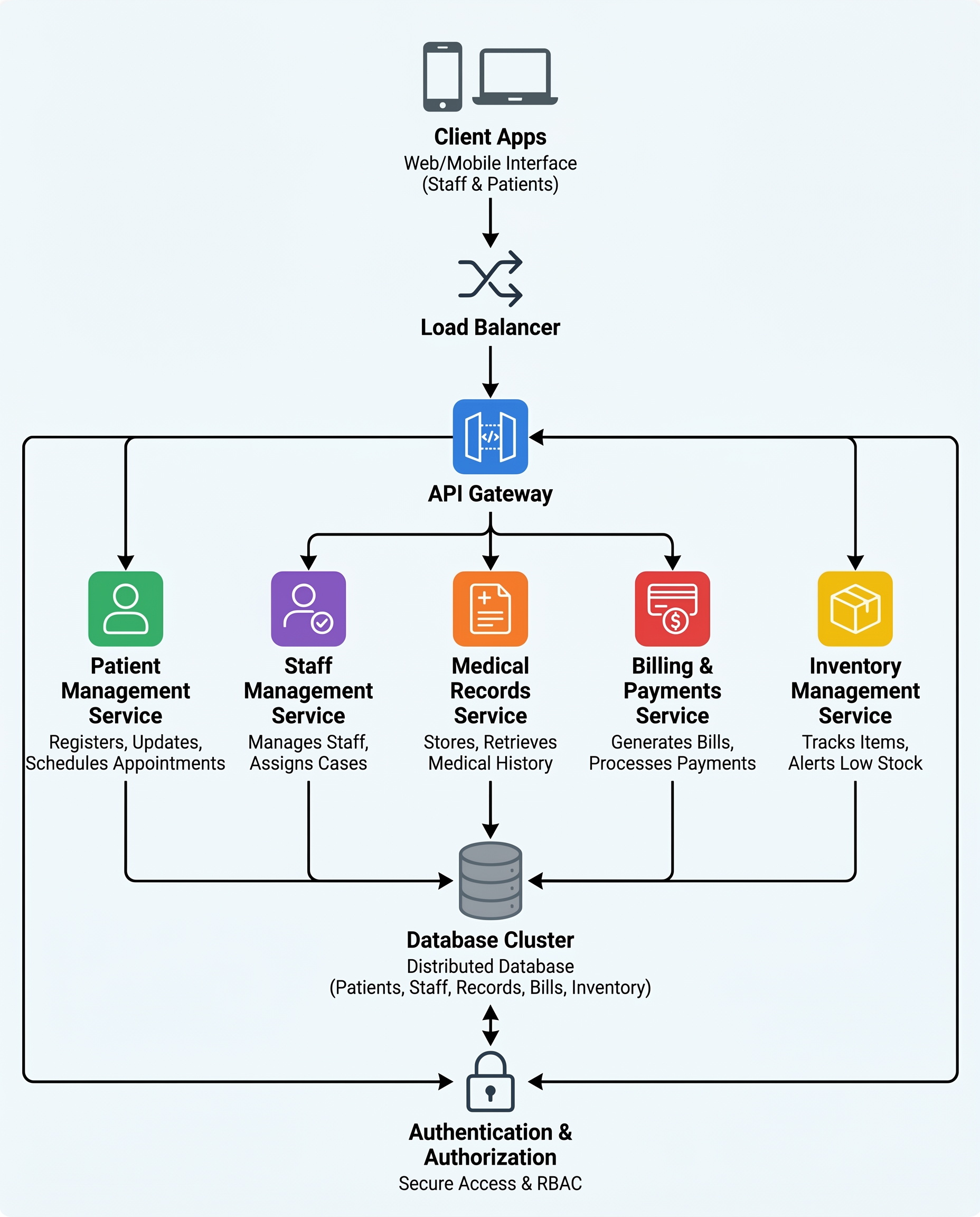
System Architecture Diagram for Trending Topic System
Core Considerations
Write-Heavy System
Trending Topic systems typically need to handle a high volume of user interactions, such as searches, views, likes, and more. These write-heavy operations mean the system has to be optimized for high-throughput data ingestion. Key tools and components often include:Message Queues (e.g., Kafka) to handle high write loads and ensure reliability.
- Stream or Batch Data Processing (e.g., using Spark or Flink) to process interactions in real time or near-real time.
- Each approach has its pros and cons. Stream processing allows for low-latency trend detection but can be resource-intensive. Batch processing, on the other hand, may save resources but introduces delays in updating trending topics.
2. Read Optimization with Caching
If the system is customer-facing, it will likely receive a large volume of read requests as users frequently check trending topics. Caching plays a vital role here to reduce load on the primary data store.
- Top Topics Cache: Since only a small subset of topics are typically “trending” at any given time, we can apply the 80/20 rule (Pareto Principle) to optimize memory usage. By storing only the top 20% of trending topics in cache, we can serve the majority of requests quickly and cost-effectively.
- Memory Calculation: Assess the required memory to ensure the cache can handle the expected volume of trending topics. This requires a balance between cache size and update frequency to keep data fresh without overloading the system.
2. Historical Data and Analytics
Systems designed for trending topic detection often need to support analytics on historical data. This includes storing and querying large amounts of data to analyze trends over time or to detect seasonal patterns.
- Data Storage Solutions: Consider using a data warehouse (e.g., BigQuery or Redshift) for storing historical data or a time-series database (e.g., InfluxDB) if you need fine-grained temporal analysis.
- Query Optimization: If the system needs to support ad-hoc analytics queries (e.g., by data scientists or product managers), it’s essential to optimize for both storage efficiency and query speed.
3. Defining Trends and User Interest
Trending systems often need to determine what qualifies as “trending” and to assess users’ interest in specific topics. This can lead to analytics or machine learning questions, such as:
- Metrics for Trend Detection: How do we define a “trending” topic? Metrics might include rate of change in interactions, absolute number of interactions, or relative engagement growth compared to past periods.
- User Interest Scoring: How can we determine if a specific user is interested in a topic? This could be based on personalized metrics, such as how often a user views or interacts with similar topics.
Key Takeaways
For classic system design questions like this, it’s more important to understand the core principles than to memorize solutions. By focusing on the fundamental challenges — efficient data processing, caching strategies, historical data storage, and trend detection metrics — you’ll be well-equipped to tackle variations of this problem in interviews.
For full answer, see bugfree.ai


System Architecture Diagram for Trending Topic System
About the author
bugfree.ai is an advanced AI-powered platform designed to help software engineers master system design and behavioral interviews. Whether you’re preparing for your first interview or aiming to elevate your skills, bugfree.ai provides a robust toolkit tailored to your needs. Key Features:
150+ system design questions: Master challenges across all difficulty levels and problem types, including 30+ object-oriented design and 20+ machine learning design problems. Targeted practice: Sharpen your skills with focused exercises tailored to real-world interview scenarios. In-depth feedback: Get instant, detailed evaluations to refine your approach and level up your solutions. Expert guidance: Dive deep into walkthroughs of all system design solutions like design Twitter, TinyURL, and task schedulers. Learning materials: Access comprehensive guides, cheat sheets, and tutorials to deepen your understanding of system design concepts, from beginner to advanced. AI-powered mock interview: Practice in a realistic interview setting with AI-driven feedback to identify your strengths and areas for improvement.
bugfree.ai goes beyond traditional interview prep tools by combining a vast question library, detailed feedback, and interactive AI simulations. It’s the perfect platform to build confidence, hone your skills, and stand out in today’s competitive job market. Suitable for:
New graduates looking to crack their first system design interview. Experienced engineers seeking advanced practice and fine-tuning of skills. Career changers transitioning into technical roles with a need for structured learning and preparation.
Comments
Join the discussionNo comments yet. Be the first to comment.