High-Score (Bugfree Users) TikTok ML Interview Experience: RecSys Deep Dive + Fast Coding
A concise write-up of a high-scoring TikTok ML interview shared by "bugfree users." The loop consisted of three rounds that tested product sense, recommendation systems knowledge, fast clean coding, system design and math. Below is a structured breakdown, practical takeaways, and prep tips.
Interview structure (3 rounds)
HR screen (phone)
- Focus: background, motivation for joining, and logistical details.
- Tip: be ready with a concise story: background → impactful project → why TikTok → availability/compensation.
Hiring manager (technical deep dive)
- Focus areas:
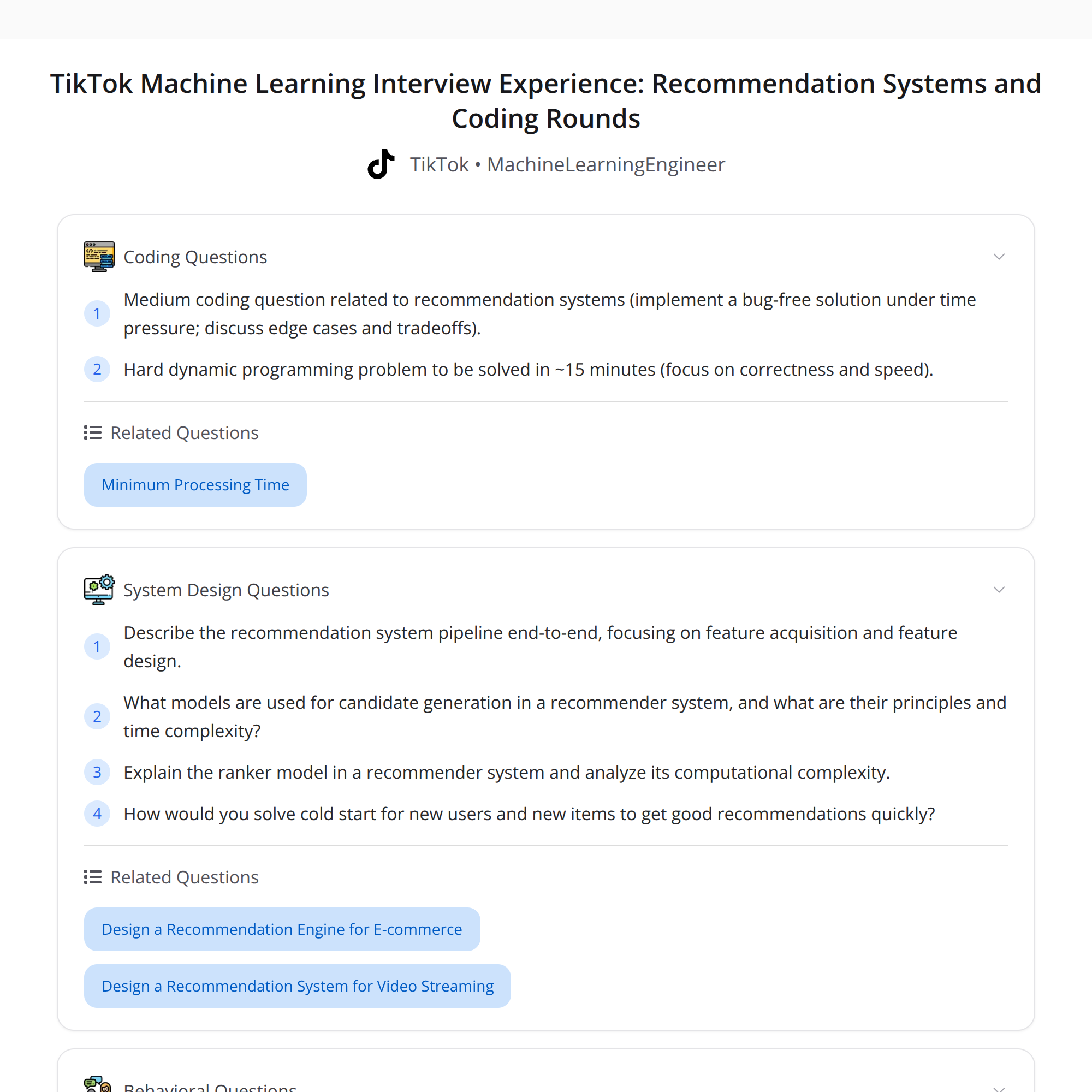
- RecSys fundamentals: candidate generation vs ranking models.
- Time/compute complexity trade-offs for retrieval and ranking.
- Cold-start strategies for users and items.
- Live coding: a medium RecSys-flavored problem. The interviewer emphasized writing clean, bug-free code and explicitly testing edge cases.
- Tip: explain your design (data structures, complexity), write readable code, and walk through edge cases and basic tests.
- Focus areas:
Department lead (senior technical + speed)
- Focus areas:
- Math and derivation-level grilling around a chatbot project (losses, objectives, embedding math, evaluation).
- End-to-end RecSys pipeline discussion: feature acquisition, feature design, freshness, and trade-offs.
- Quick, hard algorithmic problem (DP) solved in ~15 minutes — both speed and correctness were evaluated.
- Tip: be prepared for deep math derivations and to justify design choices. Practice fast problem decomposition under time pressure.
- Focus areas:
What they tested (and what to prepare)
RecSys fundamentals
- Candidate generation vs ranking:
- Generation: scalable retrieval, ANN/LSH, filtering by business rules, popularity-based and heuristic recall.
- Ranking: pointwise/pairwise/listwise models, feature normalization, calibration, and latency constraints.
- Complexity: think in terms of O(N), O(log N), and trade-offs of pre-compute vs online compute.
- Cold-start: metadata/content-based features, user onboarding signals, popularity priors, hybrid models, transfer learning or warm-starting with embeddings.
- Candidate generation vs ranking:
Coding expectations
- Clean, bug-free solutions were explicitly valued.
- Show edge-case handling, simple tests, and complexity analysis.
- Common RecSys coding problems to practice: top-k retrieval, merging candidate sources, efficient ranking, streaming/top-k with heaps.
System and product design
- Feature pipelines: offline vs online features, feature stores, freshness, latency budgets, and monitoring.
- Evaluation: offline metrics (NDCG, MRR, CTR proxies) vs online A/B testing.
Math & derivation
- Be ready to derive gradients, loss decompositions, or expected values for objective functions.
- For chatbot projects: embedding similarity math, cross-entropy derivations, sequence loss, and retrieval+generate hybrids.
Algorithmic speed challenge
- Practice classical hard DP problems under time pressure (15–25 minute solutions). Focus on clear state definition, transitions, and pruning to get a correct solution quickly.
Example interview tips (practical)
- Start each technical answer with a quick plan: approach, complexity, then implementation.
- For RecSys questions:
- Clarify business constraints (latency, memory, update frequency).
- Decide whether to precompute or compute online; state reasons.
- Mention monitoring and failure modes (bias amplification, stale features).
- For coding:
- Prioritize a correct, readable baseline before micro-optimizations.
- Explicitly handle null/empty inputs, duplicates, ties, and bounds.
- Write 2–3 quick test cases aloud or in comments.
- For system design / pipelines:
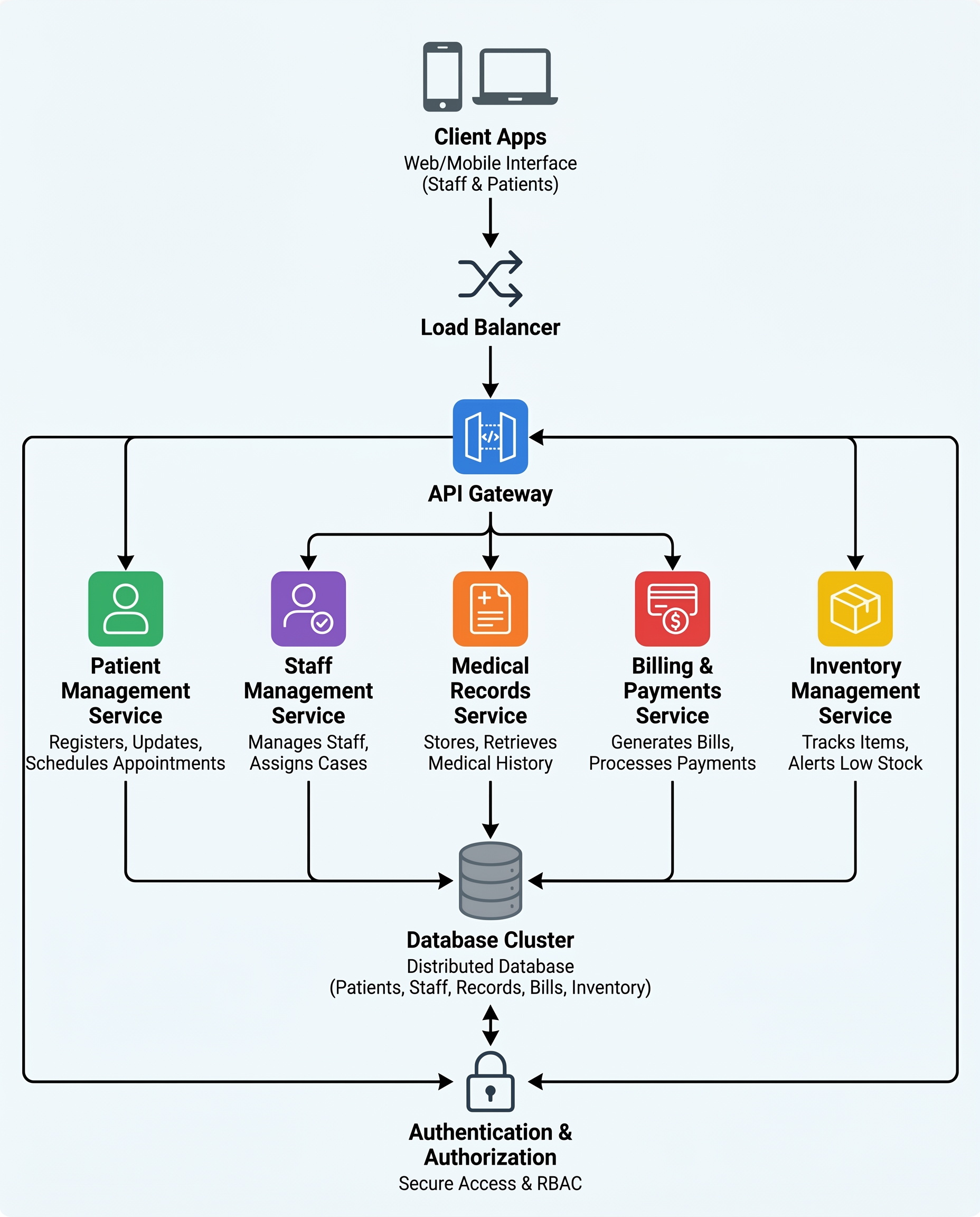
- Sketch the flow: data sources → feature store → model training → serving → offline/online eval.
- Discuss feature freshness, deduplication, and backfills.
- For the math/derivations:
- Explain assumptions, write intermediate steps, and check units/dimensions.
Quick prep checklist
- RecSys fundamentals: candidate generation, ANN, ranking models, loss types, and offline metrics.
- Systems: feature pipelines, feature stores, latency budgets, and monitoring.
- Coding practice: implement top-k, merges, heaps, and simple ANN approximations. Emphasize correct edge-case handling.
- Algorithms: solve medium->hard DP problems with a 15–25 minute goal.
- Math: brush up on derivatives for common losses, softmax properties, and embedding similarity math.
- Mock interviews: practice explaining design trade-offs out loud.
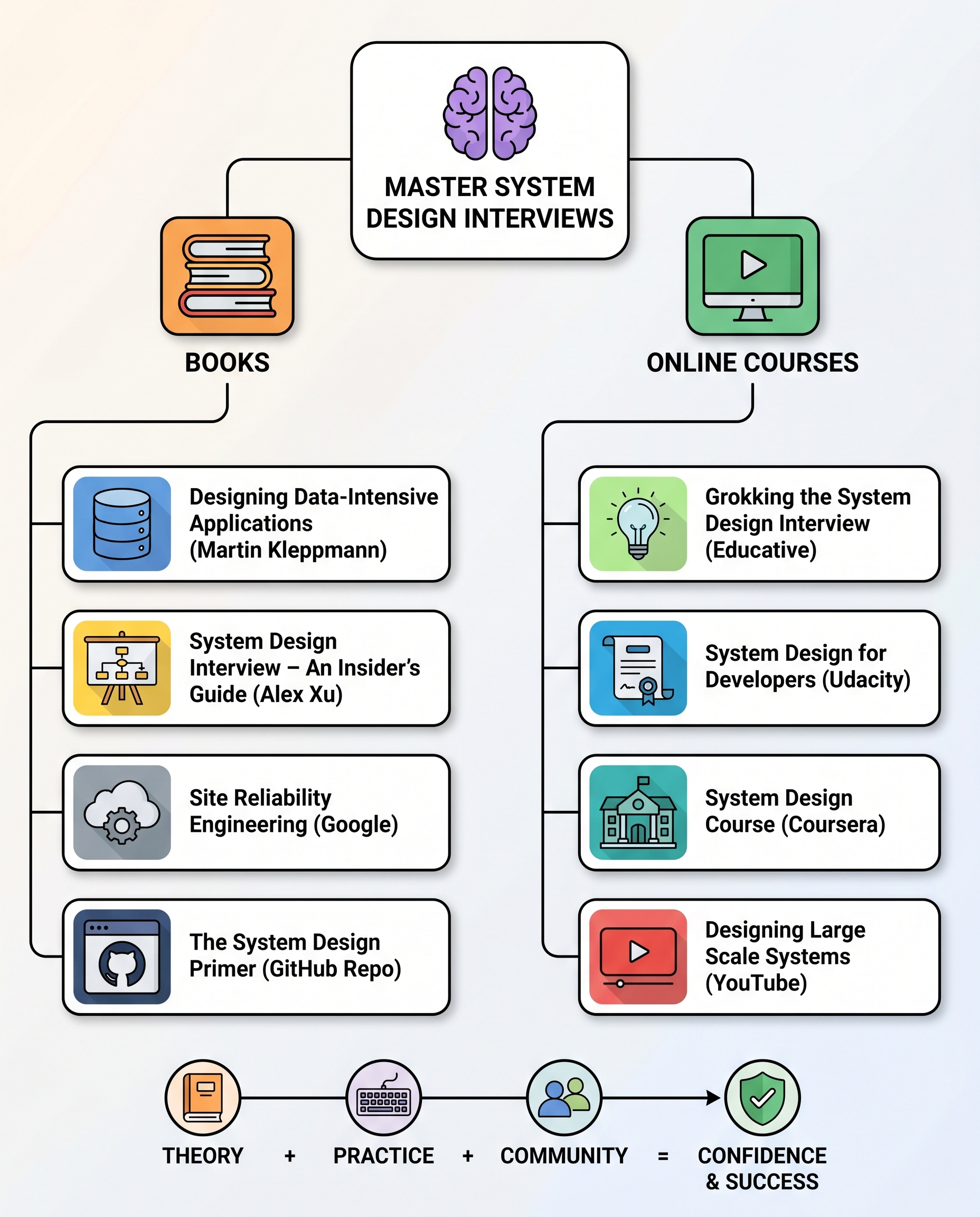
Suggested resources
- Hands-On Recommendation Systems by Luka? (general RecSys guides)
- Papers & blogs on ANN (FAISS, HNSW) and large-scale retrieval
- LeetCode: medium to hard DP problems, and problems labeled "Top K" or "heap" for efficient retrieval
- System design notes focused on ML pipelines and feature stores (e.g., Feast)
Final takeaways
- The interview balanced product sense, systems thinking, and implementation correctness.
- Clean, bug-free code and explicit edge-case handling can win you points even if the solution is straightforward.
- Be ready to switch modes: from high-level design and math derivations to fast, precise coding under time pressure.
Good luck — focus your prep on RecSys concepts, fast correct coding, and end-to-end feature/system reasoning. #MachineLearning #RecommendationSystems #InterviewPrep
About the author
bugfree.ai is an advanced AI-powered platform designed to help software engineers master system design and behavioral interviews. Whether you’re preparing for your first interview or aiming to elevate your skills, bugfree.ai provides a robust toolkit tailored to your needs. Key Features:
150+ system design questions: Master challenges across all difficulty levels and problem types, including 30+ object-oriented design and 20+ machine learning design problems. Targeted practice: Sharpen your skills with focused exercises tailored to real-world interview scenarios. In-depth feedback: Get instant, detailed evaluations to refine your approach and level up your solutions. Expert guidance: Dive deep into walkthroughs of all system design solutions like design Twitter, TinyURL, and task schedulers. Learning materials: Access comprehensive guides, cheat sheets, and tutorials to deepen your understanding of system design concepts, from beginner to advanced. AI-powered mock interview: Practice in a realistic interview setting with AI-driven feedback to identify your strengths and areas for improvement.
bugfree.ai goes beyond traditional interview prep tools by combining a vast question library, detailed feedback, and interactive AI simulations. It’s the perfect platform to build confidence, hone your skills, and stand out in today’s competitive job market. Suitable for:
New graduates looking to crack their first system design interview. Experienced engineers seeking advanced practice and fine-tuning of skills. Career changers transitioning into technical roles with a need for structured learning and preparation.
Comments
Join the discussionNo comments yet. Be the first to comment.