
Designing a system like Craigslist involves a deep dive into several critical components. This guide explores key considerations and potential challenges, providing a detailed blueprint for software engineers.
Note that the following discussion involves many different aspects of the system design. For a time-limited interview purpose, you should work with your interviewer and pick two to three aspects to deep dive and discuss, to show your expertise.
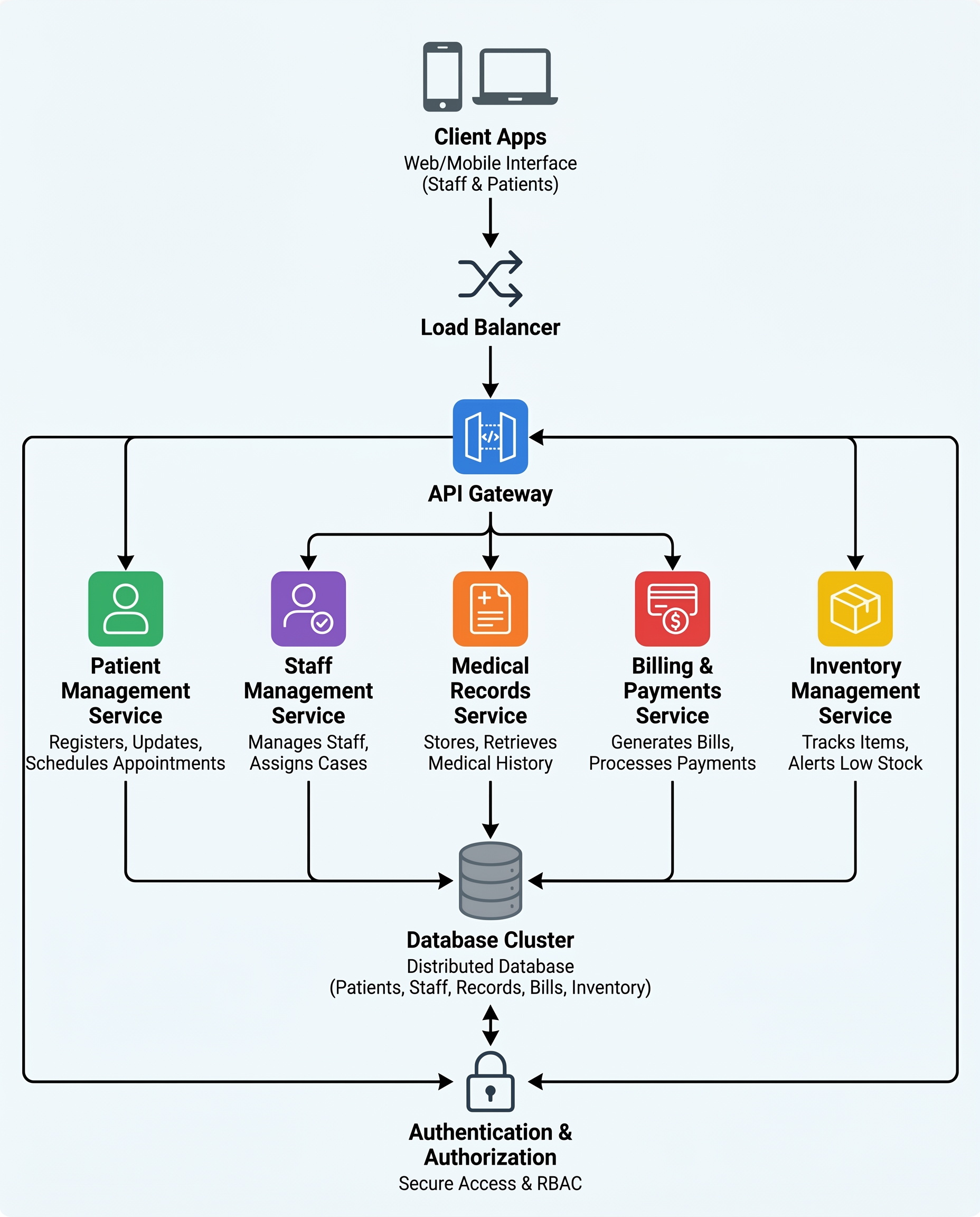
System Design Diagram — Design Craigslist
1. Listing Creation & Management
User-Friendly Posting Process
To maximize user engagement, the process of creating a listing should be straightforward and efficient.
- Multimedia Support: Implement an asynchronous processing pipeline for handling user-uploaded media such as images and videos. Media uploads should trigger jobs in a queuing system (e.g., RabbitMQ) to process, resize, and optimize files, ensuring fast uploads without impacting the main application’s performance.
- Step-by-Step Guidance: Design the UI to provide real-time validation and helpful prompts. Dynamic forms that adapt based on user input can reduce friction and prevent errors, while pre-filled fields based on user history simplify repetitive tasks.
Categorization and Tagging
- Taxonomy Design: Construct a hierarchical data model for categories and subcategories. Use indexed database tables to support rapid queries, enabling users to filter and browse listings with minimal latency.
- Custom Tags: Allow flexibility for users to add custom tags by storing them in a document-oriented database. Build an inverted index to support efficient full-text searches across tags and metadata.
Content Moderation
- Automated Tools: Deploy machine learning models trained on large datasets to detect inappropriate content automatically. This includes both image classification and natural language processing for identifying objectionable text or patterns.
- Human Oversight: Integrate a dual-layer moderation workflow where flagged content is first reviewed by algorithms and then escalated to human moderators for ambiguous cases. Use priority queues to ensure critical cases are reviewed promptly.
2. Storage
Efficient and scalable storage solutions are critical to handling the high volume of data generated by the platform.
File Storage
- Media Storage: Use an object storage solution optimized for scalability and redundancy, such as Amazon S3 or a self-hosted equivalent like MinIO. Ensure media files are organized by namespace (e.g., user ID or listing ID) for efficient retrieval.
- CDN Integration: Integrate a content delivery network to cache and serve media assets closer to users, reducing latency and server load.
Database Storage
- Relational Databases: Use relational databases for structured data like user information, listings, and transactions. Optimize performance with techniques like indexing, partitioning, and connection pooling.
- NoSQL Databases: Leverage NoSQL databases for unstructured or semi-structured data, such as logs, tags, and analytics. Ensure eventual consistency for data that doesn’t require strong ACID guarantees.
Backup and Archiving
- Incremental Backups: Implement regular, incremental backups for both databases and file storage to minimize data loss risks. Store backups in geographically distributed locations.
- Cold Storage: Move old and infrequently accessed data to cold storage solutions to reduce costs while maintaining access for compliance or historical purposes.
3. Search & Discovery
Efficient Search Functionality
- Fuzzy Search and Highlighting: Leverage text search engines like Elasticsearch for implementing fuzzy matching and efficient query parsing. Highlighting relevant keywords in results can guide users to the most relevant listings.
- Advanced Filters: Enable multi-dimensional filtering on attributes such as price, location, and category. Construct dynamic query builders to generate optimized queries for SQL or NoSQL backends based on the selected criteria.
Recommendation System
- Behavioral Data Analysis: Continuously collect and process interaction data such as clickstreams and search history. Train collaborative filtering models using matrix factorization techniques to predict user preferences.
- Collaborative Filtering: Combine user-based and item-based algorithms for personalized recommendations. Maintain caches for popular recommendations to improve response times during high traffic periods.
Geolocation Services
- Location-Based Search: Store latitude and longitude data using spatial types in databases like PostgreSQL with PostGIS extensions. Employ geospatial queries optimized by R-tree indexes to enable fast proximity searches.
4. Transaction & Communication
Secure Transaction Process
- Payment Integration: Integrate payment gateways like Stripe, PayPal, or Adyen for secure and seamless payment processing. Gateways should support tokenization of sensitive payment data to reduce compliance risks.
- Middle Layer Services: Implement an escrow mechanism where funds are held in a secure account until the buyer confirms the transaction is satisfactory. Automatically release funds to the seller after predefined conditions are met (e.g., delivery confirmation).
- Refund Handling: Ensure refunds can be initiated efficiently, whether manually by administrators or automatically under certain conditions. Track refunds comprehensively with audit logs for transparency.
User Communication Channels
- Instant Messaging: Develop a real-time messaging system using WebSocket technology for seamless, low-latency communication. For fault tolerance, store messages in a transactional database and synchronize updates with client devices.
- Notification System: Build a notification engine that prioritizes updates based on user activity. Support multiple channels like email, SMS, and in-app notifications, with an emphasis on delivering high-priority alerts without delays.
Feedback and Rating System
- Anonymous Reviews: Protect user identities by hashing user IDs associated with reviews, while enforcing one review per transaction to maintain integrity.
- Reputation Management: Aggregate user feedback using a weighted scoring system. Adjust weights dynamically to emphasize recent interactions while minimizing the influence of outdated reviews.
6. Scalability and Performance Optimization
Scalability ensures the system can handle high user and listing volumes efficiently.
Database Design
- Horizontal Scaling: Implement sharding strategies to partition data across multiple database instances, such as dividing listings by region or category. Optimize data distribution to balance load across shards.
- Indexing and Caching: Use composite indexes for frequently queried columns to optimize read-heavy operations. Employ distributed caching systems like Redis to reduce query latency for repeated data access.
Load Balancing
- Traffic Distribution: Deploy application servers behind load balancers configured with algorithms like least connections or IP hash to ensure equitable distribution of requests.
- Autoscaling: Monitor system metrics such as CPU usage and request throughput to dynamically adjust the number of running instances. Implement predictive scaling for anticipated traffic surges.
Content Delivery
- Static Content Caching: Store and serve static assets via a CDN to minimize latency for geographically distributed users. Ensure cache invalidation mechanisms are in place for updates.
- Lazy Loading: Implement lazy loading for media assets to defer loading until they’re required, improving perceived performance and reducing initial bandwidth consumption.
Asynchronous Processing
- Background Jobs: Offload non-critical operations like sending emails, processing analytics, and resizing images to worker queues. Manage these tasks using distributed queue systems like Kafka.
- Rate Limiting: Protect APIs and resources by implementing rate-limiting algorithms such as token bucket or sliding window to mitigate abuse while allowing legitimate usage.
Complete Guidance: https://bugfree.ai/practice/system-design/craigslist/solutions/dMobyNPGbuY0LSEa

System Design Answer — Design Craigslist
About the author
bugfree.ai is an advanced AI-powered platform designed to help software engineers master system design and behavioral interviews. Whether you’re preparing for your first interview or aiming to elevate your skills, bugfree.ai provides a robust toolkit tailored to your needs. Key Features:
150+ system design questions: Master challenges across all difficulty levels and problem types, including 30+ object-oriented design and 20+ machine learning design problems. Targeted practice: Sharpen your skills with focused exercises tailored to real-world interview scenarios. In-depth feedback: Get instant, detailed evaluations to refine your approach and level up your solutions. Expert guidance: Dive deep into walkthroughs of all system design solutions like design Twitter, TinyURL, and task schedulers. Learning materials: Access comprehensive guides, cheat sheets, and tutorials to deepen your understanding of system design concepts, from beginner to advanced. AI-powered mock interview: Practice in a realistic interview setting with AI-driven feedback to identify your strengths and areas for improvement.
bugfree.ai goes beyond traditional interview prep tools by combining a vast question library, detailed feedback, and interactive AI simulations. It’s the perfect platform to build confidence, hone your skills, and stand out in today’s competitive job market. Suitable for:
New graduates looking to crack their first system design interview. Experienced engineers seeking advanced practice and fine-tuning of skills. Career changers transitioning into technical roles with a need for structured learning and preparation.
Comments
Join the discussionNo comments yet. Be the first to comment.