
Recently, I worked on a system design mock interview focused on an E-Book Distribution System. The candidate’s background leaned towards e-commerce, so their approach prioritized aspects such as discovery and transactions — both of which play a crucial role in designing systems for virtual products like e-books.
Here are the key points to keep in mind when designing such a system:
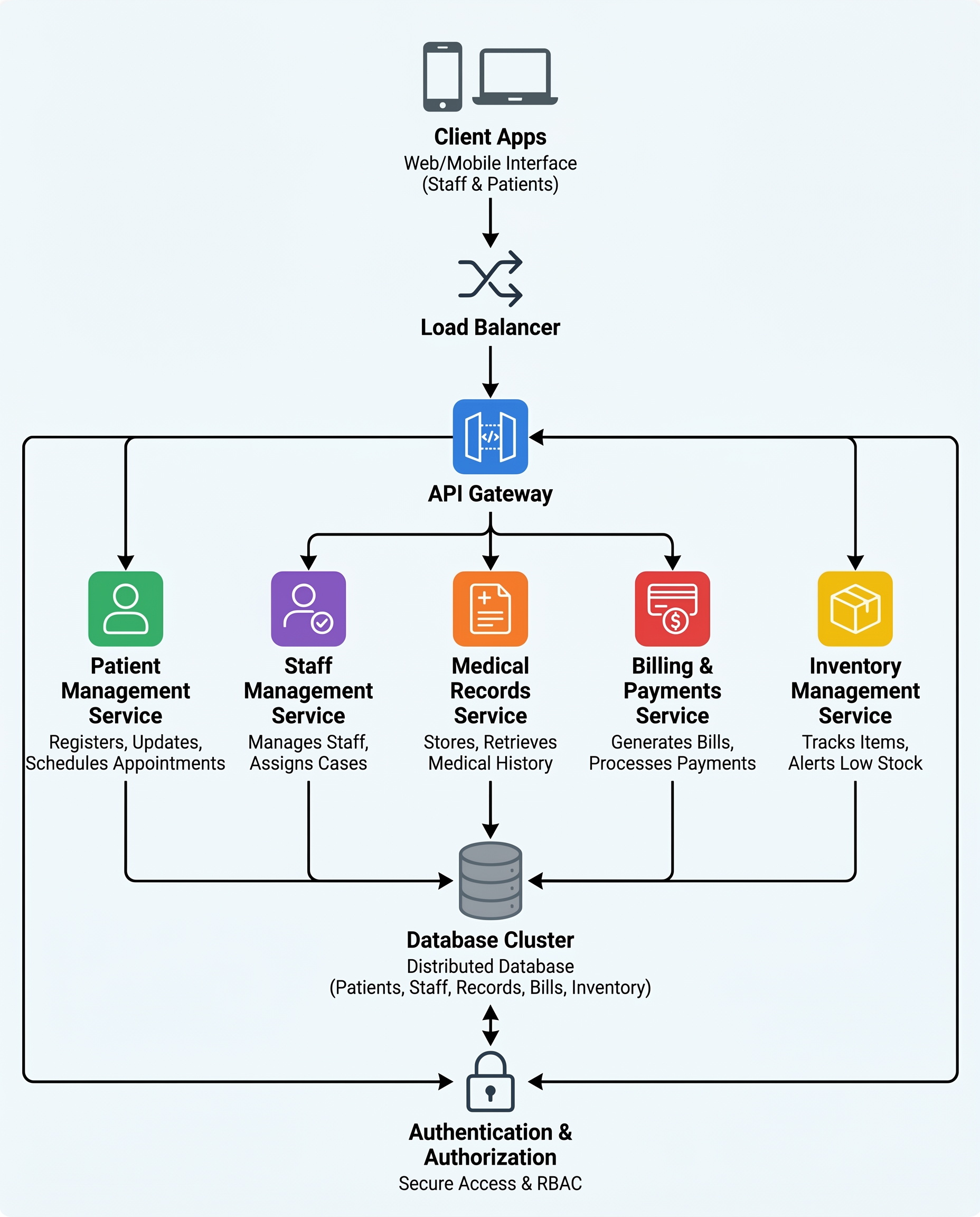
System Design Diagram — Design E-Book Distribution System
1. Understanding the Differences Between Traditional E-Commerce and E-Books
The fundamental distinction lies in the nature of the product:
Physical Products (Traditional E-Commerce):
These systems must handle inventory, logistics, and quantity limitations (e.g., stock availability, shipping, and delivery tracking).
Virtual Products (E-Books):
E-books are intangible and don’t require inventory or logistics. Instead, the focus shifts to ensuring a seamless download or online reading experience. This simplicity often makes the demands on system resources somewhat lighter compared to physical goods.
2. Scalability Considerations for Virtual Products
While virtual products like e-books eliminate the need for inventory and logistics management, their distribution system needs to handle large bursts of traffic with high reliability.
Two unique characteristics of virtual products to consider:
- Simpler SKU Management:
Virtual products typically have fewer SKUs (e.g., specific e-book titles or versions) compared to physical products, making inventory management easier. - High Transaction Volume:
Since virtual products can be delivered instantly, the system must support a high transaction-per-second (TPS) rate, especially during peak events (e.g., book launches, seasonal sales). To maintain a high success rate, optimizing for concurrency and reducing transaction latency are key priorities.
3. Discovery and Transaction: Core Design Challenges
Just like traditional e-commerce systems, the two primary pillars of an e-book distribution system are discovery and transactions. Here’s how to approach them:
Discovery
Discovery focuses on ensuring users can quickly and reliably find the e-books they’re looking for. To enhance discovery:
a) ElasticSearch for Search Optimization:
Implement ElasticSearch to power your search and filtering features. ElasticSearch is designed for full-text search and is highly efficient for complex queries such as searching by author, genre, keyword, or ratings.
- Autocomplete: Use ElasticSearch’s auto-suggest functionality to provide users with relevant suggestions as they type.
- Synonyms: Handle user typos or related terms (e.g., searching for “sci-fi” should also return results tagged as “science fiction”).
- Boosting and Scoring: Prioritize certain results based on business needs (e.g., promoting new releases or bestsellers).
- Sharding and Replication: ElasticSearch can scale horizontally to handle millions of queries with low latency while ensuring high availability through replication.
b) High Availability:
To support high availability, distribute your search nodes across multiple data centers and implement load balancing. This ensures your search service remains accessible even during traffic spikes.
c) Low Latency:
Pair ElasticSearch with a caching layer like Redis or Memcached to store frequently accessed search results or homepage recommendations. This minimizes response times for high-traffic queries.
Transactions
Transactions deal with ensuring a reliable purchase experience.
a) Payment Processing
- Idempotency: Use unique transaction IDs to prevent duplicate charges during retries.
- Timeout Handling: Define timeouts for payment gateways and handle failures gracefully.
- Retry Logic: Implement retries for transient errors while ensuring payments are only processed once.
b) Consistency Across Services
- Atomic Transactions: Use distributed transaction patterns like Two-Phase Commit (2PC) for tightly coupled systems.
- Event-Driven Architecture: For scalability, decouple services with events (e.g., Kafka). Payment success triggers license activation and email notifications asynchronously.
c) High-Concurrency Handling
- Message Queues: Use queues (e.g., RabbitMQ, Kafka) to process transactions asynchronously during peak loads.
- Optimized Databases: Partition databases and optimize writes with batching or WAL (write-ahead logs).
- Concurrency Control: Implement optimistic locking to prevent race conditions in critical paths (e.g., issuing licenses).
d) Post-Purchase Workflow
- E-Book Delivery: Use CDNs and signed, time-limited URLs for secure and fast downloads.
- Notifications: Send email or app confirmations immediately upon purchase.
4. Download and Online Reading
Due to time constraints, the mock interview didn’t delve deeply into e-book download and online reading functionalities. However, these are critical aspects of the system and deserve careful consideration:
E-Book Download:
a) Content Storage:
- Use object storage services like AWS S3, Google Cloud Storage, or Azure Blob Storage to store e-book files. These services provide scalability and reliability.
- Store e-books in multiple file formats (e.g., EPUB, MOBI, PDF) to support different devices and reader preferences.
b) Content Delivery Network (CDN):
- Use CDNs (e.g., Cloudflare, Akamai, or AWS CloudFront) to distribute e-books globally with low latency.
- CDNs cache files in edge locations close to users, reducing download time and server load.
Online Reading
Streaming-like functionality for online reading may require additional systems to support rendering, pagination, and session management. The architecture for this could draw inspiration from systems like YouTube’s video streaming model, with optimizations for e-book content.
a) Streaming Model for Content Delivery:
- Chunked Delivery: Break e-books into smaller chunks (e.g., pages, chapters) and serve them on demand. For example:
- Store each chapter or page as an individual object in the storage backend (e.g.,
book1/chapter1.html). - Fetch only the requested pages during navigation, reducing load time.
- Prefetching: Predict and prefetch the next page/chapter in the background for a smooth reading experience.
b) Real-Time API Gateway:
- Use an API gateway (e.g., AWS API Gateway) to serve page content dynamically to the front-end reader. This gateway can: Authorize user access via JWT (JSON Web Tokens) and Fetch content chunks securely from object storage or cache.
c) Caching for High Performance:
- Cache frequently accessed e-book pages (e.g., the first chapters of popular books) using Redis or Memcached to minimize storage backend requests.
- Use Edge Computing with CDNs to cache pages closer to end users.

bugfree.ai answer on mock interview
About the author
bugfree.ai is an advanced AI-powered platform designed to help software engineers master system design and behavioral interviews. Whether you’re preparing for your first interview or aiming to elevate your skills, bugfree.ai provides a robust toolkit tailored to your needs. Key Features:
150+ system design questions: Master challenges across all difficulty levels and problem types, including 30+ object-oriented design and 20+ machine learning design problems. Targeted practice: Sharpen your skills with focused exercises tailored to real-world interview scenarios. In-depth feedback: Get instant, detailed evaluations to refine your approach and level up your solutions. Expert guidance: Dive deep into walkthroughs of all system design solutions like design Twitter, TinyURL, and task schedulers. Learning materials: Access comprehensive guides, cheat sheets, and tutorials to deepen your understanding of system design concepts, from beginner to advanced. AI-powered mock interview: Practice in a realistic interview setting with AI-driven feedback to identify your strengths and areas for improvement.
bugfree.ai goes beyond traditional interview prep tools by combining a vast question library, detailed feedback, and interactive AI simulations. It’s the perfect platform to build confidence, hone your skills, and stand out in today’s competitive job market. Suitable for:
New graduates looking to crack their first system design interview. Experienced engineers seeking advanced practice and fine-tuning of skills. Career changers transitioning into technical roles with a need for structured learning and preparation.
Comments
Join the discussionNo comments yet. Be the first to comment.