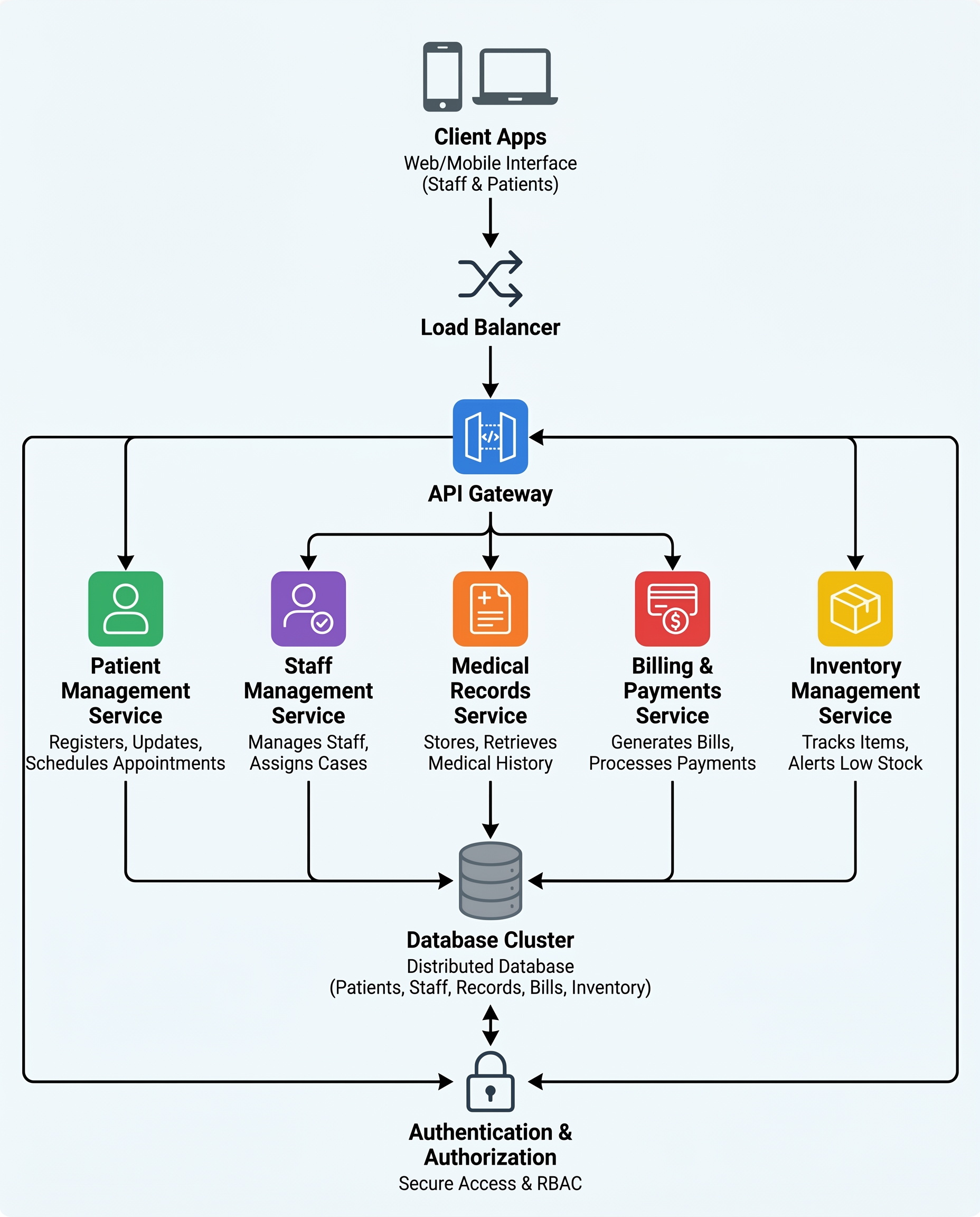

Inventory System is one of the key component that can be seen a lot in many different system design questions, such as “Design a E-commerce Website”, “Design Ticket System” …
Belows are some of the key considerations of designing an inventory system
System Design Diagram — Design an Inventory Management System
Data Consistency & Synchronization
Ensuring Data Consistency
In a multi-user environment, maintaining data consistency is paramount. When multiple users access and update inventory data simultaneously, conflicts can arise, leading to discrepancies. To mitigate this, consider implementing:
- Optimistic Concurrency Control (OCC): This method allows multiple transactions to proceed without locking resources. Each transaction maintains a local copy of data and verifies if the original data is unchanged before committing updates. If a conflict is detected, the transaction is rolled back.
- Pessimistic Locking: Here, resources are locked during a transaction, preventing other operations until the transaction completes. This is useful when high contention is expected but can introduce performance bottlenecks.
Data Synchronization Mechanisms
For businesses with multiple warehouses or branches, real-time data synchronization is essential. Consider:
- Event-Driven Architecture: Using event-driven models where inventory updates trigger real-time events that are propagated across systems ensures minimal latency and high consistency.
- Distributed Databases: Using a distributed SQL or NoSQL database allows real-time data storage across multiple locations, ensuring availability and fault tolerance.
- Message Queues & Event Sourcing: Message brokers like Apache Kafka or RabbitMQ enable real-time streaming and event-based synchronization. Event sourcing can maintain a log of all changes, ensuring a reliable audit trail.
Transaction Processing
Designing a robust transaction mechanism ensures atomicity in inventory updates. Implement:
- ACID Transactions: Ensuring that transactions are Atomic, Consistent, Isolated, and Durable (ACID) prevents partial updates and maintains data integrity.
- Two-Phase Commit Protocol (2PC): In distributed systems, 2PC ensures all participating nodes agree on a transaction’s outcome before committing, reducing inconsistencies.
Scalability & Performance
System Scalability
As businesses grow, their inventory systems must scale accordingly. Consider:
- Microservices Architecture: Decomposing the system into smaller, independent services allows selective scaling of inventory, order processing, and reporting components.
- Database Sharding & Replication: Horizontal partitioning (sharding) distributes inventory data across multiple database instances, while replication ensures data availability and redundancy.
Performance Optimization
Handling high concurrent requests is crucial for performance. Implement:
- Caching Mechanisms: Implement in-memory caching with Redis or Memcached to store frequently accessed inventory data, reducing database load.
- Asynchronous Processing: Offload heavy operations such as report generation or inventory reconciliation to background workers using message queues.
- Indexing & Query Optimization: Optimize database queries by using proper indexing strategies and materialized views to speed up frequent lookups.
Load Balancing
To avoid bottlenecks, distribute requests efficiently:
- Round Robin Load Balancing: Distributes requests sequentially across servers.
- Least Connections: Routes traffic to the server with the fewest active connections.
- Auto-Scaling Policies: Configure auto-scaling to dynamically adjust resources based on workload demands.
Inventory Tracking & Reporting
Real-time Inventory Tracking
Accurate tracking of inventory changes is vital. Consider:
- RFID & IoT Integration: IoT-enabled RFID sensors can track inventory movement in real time, reducing manual intervention.
- Barcode Scanning & Mobile Integration: Mobile barcode scanning applications can provide instant inventory updates, ensuring accuracy.
Report Generation
Design a flexible reporting system to generate diverse inventory reports:
- Customizable Dashboards: Enable users to generate reports based on parameters like product category, time period, or warehouse location.
- Automated Reporting & Notifications: Schedule automated reports and alert notifications to keep stakeholders informed about low stock levels or demand fluctuations.
Anomaly Detection
Identify inventory discrepancies and notify relevant personnel:
- Threshold Alerts: Set configurable inventory thresholds to trigger alerts when stock reaches critical levels.
- Machine Learning-based Predictive Analysis: Implement ML models to analyze sales trends, detect anomalies, and forecast demand fluctuations.
Integration with Other Systems
Seamless System Integration
Integrating with ERP, CRM, and financial systems is essential for a holistic view of operations:
- Event-Driven Middleware: Middleware like Apache Camel can facilitate real-time data exchange between disparate systems.
- Enterprise Service Bus (ESB): Acts as a centralized communication hub, enabling smooth integration between various enterprise applications.
API Design
Design robust APIs for third-party system interaction:
- RESTful APIs: Standardize data exchange using RESTful API principles with proper authentication and rate limiting.
- GraphQL for Flexible Queries: Allows fetching only the required data, reducing unnecessary payload.
Data Import/Export Mechanisms
Support diverse data formats for seamless data exchange:
- Batch Processing & ETL Pipelines: Use ETL tools to transform, clean, and load large datasets efficiently.
- File Format Compatibility: Ensure support for CSV, JSON, and XML formats for data import/export operations.
Full Answer: https://bugfree.ai/practice/system-design/inventory-management/solutions/1jSU_MBFs3DVLAz1


System Design Solution — Design an Inventory Management System
About the author
bugfree.ai is an advanced AI-powered platform designed to help software engineers master system design and behavioral interviews. Whether you’re preparing for your first interview or aiming to elevate your skills, bugfree.ai provides a robust toolkit tailored to your needs. Key Features:
150+ system design questions: Master challenges across all difficulty levels and problem types, including 30+ object-oriented design and 20+ machine learning design problems. Targeted practice: Sharpen your skills with focused exercises tailored to real-world interview scenarios. In-depth feedback: Get instant, detailed evaluations to refine your approach and level up your solutions. Expert guidance: Dive deep into walkthroughs of all system design solutions like design Twitter, TinyURL, and task schedulers. Learning materials: Access comprehensive guides, cheat sheets, and tutorials to deepen your understanding of system design concepts, from beginner to advanced. AI-powered mock interview: Practice in a realistic interview setting with AI-driven feedback to identify your strengths and areas for improvement.
bugfree.ai goes beyond traditional interview prep tools by combining a vast question library, detailed feedback, and interactive AI simulations. It’s the perfect platform to build confidence, hone your skills, and stand out in today’s competitive job market. Suitable for:
New graduates looking to crack their first system design interview. Experienced engineers seeking advanced practice and fine-tuning of skills. Career changers transitioning into technical roles with a need for structured learning and preparation.
Comments
Join the discussionNo comments yet. Be the first to comment.