
Continue guiding new joiners through system design practice questions, and today we’re focusing on the URL Shortening Service. This is a beginner-friendly topic, primarily aimed at familiarizing oneself with the foundational patterns of system design.
Key Points to the Answer
Requirement and Data Estimation
First, by examining the requirements and estimating data, we can identify that this is a read-heavy service. Therefore, it’s crucial to consider how to handle high traffic efficiently while maintaining system availability. One common approach to address this challenge is to leverage Redis cache to handle frequent reads.
Key Challenges
The core functionality revolves around how to generate URLs that are:
a) High in volume b) Unique, and c) Sufficiently short.
To achieve this, it’s important to design a dedicated URL generation service.
However, this raises additional questions such as: What happens if this service goes down? How do we implement fallback and backup strategies to ensure continuous availability?
Exploring User Scenarios and Extended Requirements
It’s essential to dive deeper into user scenarios and discuss potential extended requirements. For example, should there be support for expiration times on URLs? What about privacy controls? Is there a need for analytics to track URL usage? Each of these additional features will require corresponding system components to be designed and integrated.


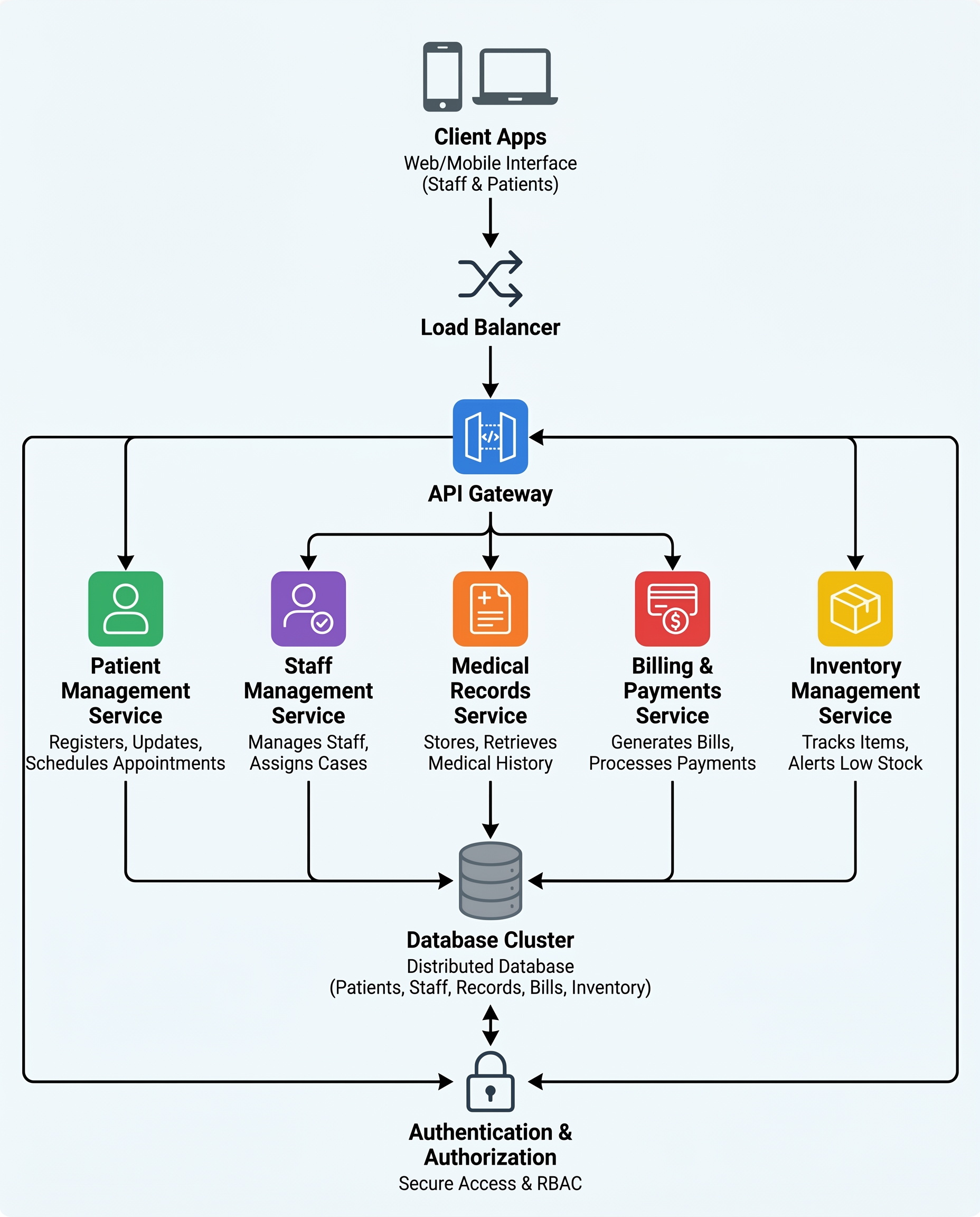
The overall approach and thought process can be illustrated through a system design diagram and a mind map, as shown in the visual aids provided.
About the author
bugfree.ai is an advanced AI-powered platform designed to help software engineers master system design and behavioral interviews. Whether you’re preparing for your first interview or aiming to elevate your skills, bugfree.ai provides a robust toolkit tailored to your needs. Key Features:
150+ system design questions: Master challenges across all difficulty levels and problem types, including 30+ object-oriented design and 20+ machine learning design problems. Targeted practice: Sharpen your skills with focused exercises tailored to real-world interview scenarios. In-depth feedback: Get instant, detailed evaluations to refine your approach and level up your solutions. Expert guidance: Dive deep into walkthroughs of all system design solutions like design Twitter, TinyURL, and task schedulers. Learning materials: Access comprehensive guides, cheat sheets, and tutorials to deepen your understanding of system design concepts, from beginner to advanced. AI-powered mock interview: Practice in a realistic interview setting with AI-driven feedback to identify your strengths and areas for improvement.
bugfree.ai goes beyond traditional interview prep tools by combining a vast question library, detailed feedback, and interactive AI simulations. It’s the perfect platform to build confidence, hone your skills, and stand out in today’s competitive job market. Suitable for:
New graduates looking to crack their first system design interview. Experienced engineers seeking advanced practice and fine-tuning of skills. Career changers transitioning into technical roles with a need for structured learning and preparation.
Comments
Join the discussionNo comments yet. Be the first to comment.