
Designing an online shopping cart system using object-oriented principles requires careful consideration of scalability, data consistency, and user experience. Below, we explore how to structure the system using object-oriented design principles.
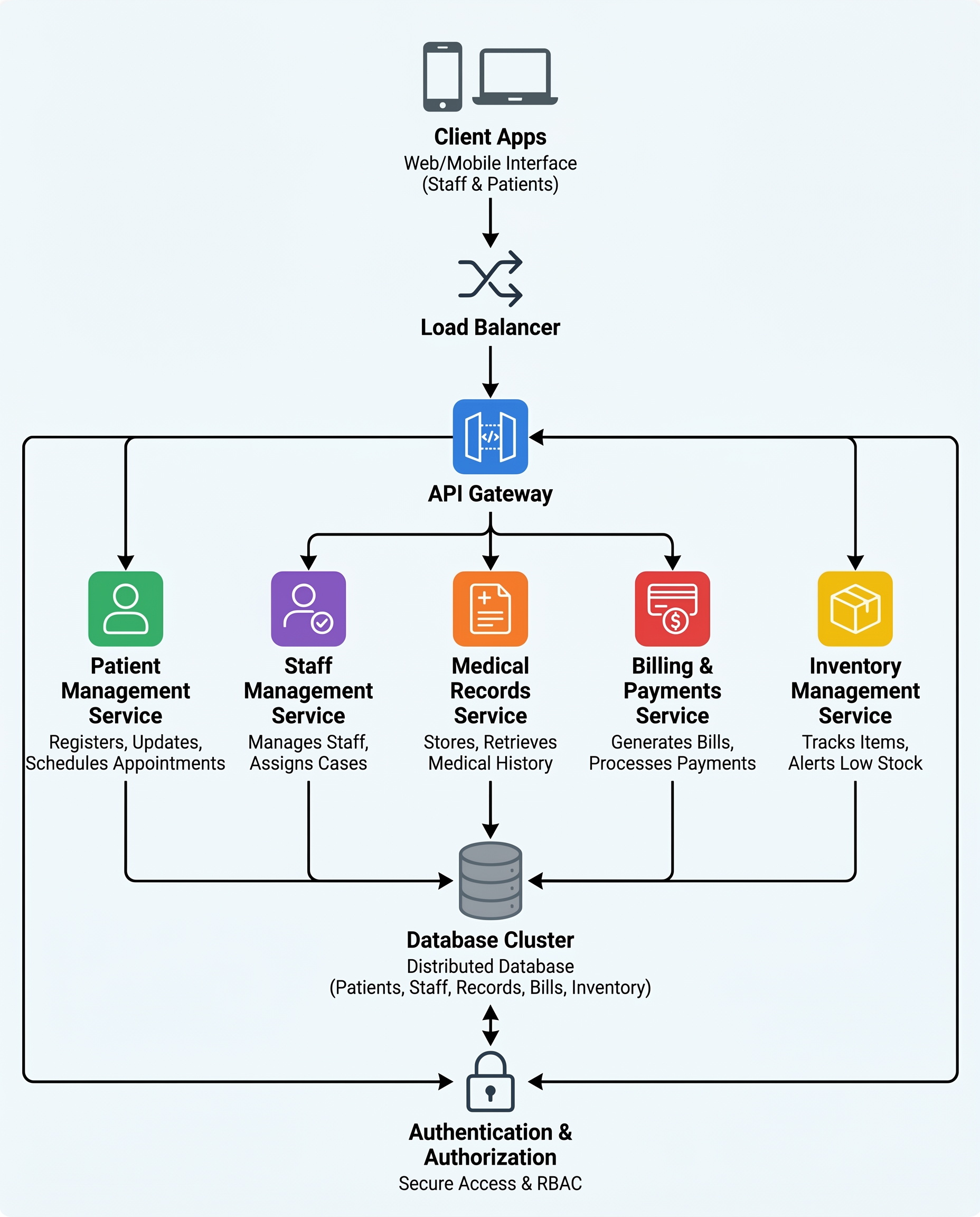
System Design Diagram — Design Online Shopping Cart
Core Object-Oriented Design
Class Design and Relationships
- Core Entities
The Product class encapsulates product details, ensuring that stock availability is checked before an item is added to the cart. This class models a real-world product and enforces basic stock validation rules.
class Product {
private String productId;
private String name;
private double price;
private int stockQuantity;
public Product(String productId, String name, double price, int stockQuantity) {
this.productId = productId;
this.name = name;
this.price = price;
this.stockQuantity = stockQuantity;
}
public boolean isAvailable(int quantity) {
return stockQuantity >= quantity;
}
public void reduceStock(int quantity) {
if (isAvailable(quantity)) {
stockQuantity -= quantity;
}
}
}
2. Shopping Cart
ShoppingCart maintains a list of CartItem objects, allowing users to add and remove items. The total price is computed dynamically. This class models the behavior of a real-world shopping cart, keeping track of products and quantities dynamically.
class CartItem {
private Product product;
private int quantity;
public CartItem(Product product, int quantity) {
this.product = product;
this.quantity = quantity;
}
public double getTotalPrice() {
return product.getPrice() * quantity;
}
}
class ShoppingCart {
private List items;
public ShoppingCart() {
this.items = new ArrayList<>();
}
public void addItem(Product product, int quantity) {
if (product.isAvailable(quantity)) {
items.add(new CartItem(product, quantity));
product.reduceStock(quantity);
}
}
public void removeItem(Product product) {
items.removeIf(item -> item.getProduct().equals(product));
}
public double calculateTotal() {
return items.stream().mapToDouble(CartItem::getTotalPrice).sum();
}
}
3. User and Order Management
class User {
private String userId;
private String name;
private ShoppingCart cart;
public User(String userId, String name) {
this.userId = userId;
this.name = name;
this.cart = new ShoppingCart();
}
public ShoppingCart getCart() {
return cart;
}
}
class Order {
private String orderId;
private User user;
private List orderedItems;
private double totalAmount;
private OrderStatus status;
public Order(String orderId, User user) {
this.orderId = orderId;
this.user = user;
this.orderedItems = new ArrayList<>(user.getCart().getItems());
this.totalAmount = user.getCart().calculateTotal();
this.status = OrderStatus.PENDING;
}
public void completeOrder() {
this.status = OrderStatus.COMPLETED;
}
}
Object Relationships and Interactions
- One-to-Many Relationship:
ShoppingCartcontains multipleCartItemobjects. - Association:
CartItemmaintains a reference toProduct, ensuring that a single product instance is shared among cart items. - Encapsulation: The private attributes of classes ensure that internal states cannot be modified directly, enforcing controlled data manipulation through methods.
Design Patterns Used
- Singleton Pattern: Ensures only one instance of
ShoppingCartexists per user session. - Observer Pattern: Notifies the inventory system whenever stock levels change.
- Strategy Pattern: Allows different discount strategies to be applied at checkout.
- Factory Pattern: Helps create
ProductandCartItemobjects dynamically while encapsulating the object creation logic. - Decorator Pattern: Extends cart functionality (e.g., adding gift wrapping) without modifying existing classes.
Example Workflow
User Adds a Product to Cart
A
Productinstance is fetched from inventory.- The system checks availability.
- If available, a
CartItemis created and added toShoppingCart.
2. User Updates Cart Quantity
- The system validates the new quantity.
- The product stock is updated accordingly.
3. User Proceeds to Checkout
- The total cost is calculated.
- Stock availability is verified again.
- An
Orderobject is created for processing payment and delivery.
Scalability and Performance Considerations
1. Handling High Concurrent Requests
- Singleton Pattern for Shopping Cart: Ensures a single cart instance per user session, preventing unnecessary duplication of resources.
- Thread Safety: Use synchronized methods or
ConcurrentHashMapto handle concurrent cart modifications, preventing race conditions. - Load Balancing: Distribute traffic across multiple servers to handle peak loads efficiently.
- Database Sharding: Partition large datasets across multiple database servers to improve query performance.
2. Caching Strategies
- Cache Frequently Accessed Products: Store product details in memory (e.g., using Redis) to reduce database calls and improve response time.
- Use LRU Cache for Popular Products: Implement Least Recently Used (LRU) cache to prioritize frequently accessed items while evicting less popular ones.
- Session-Based Caching: Cache user-specific shopping cart data in memory to reduce database read operations.
Consistency and Data Integrity
1. Ensuring Cart Data Consistency
- Optimistic Locking: Avoids excessive locks but checks data validity before committing, ensuring multiple users do not override each other’s changes.
- Event Sourcing: Uses an event-driven model to track state changes and replay events in case of failures.
- ACID Transactions: Ensure database consistency by enforcing atomic operations when modifying the cart.
2. Data Synchronization
- Observer Pattern: Notifies other services (e.g., inventory system) about cart changes asynchronously.
- Message Queues: Use Kafka or RabbitMQ for distributed transaction processing, ensuring changes are propagated efficiently.
User Experience and Usability
1. Real-Time Updates
- WebSockets for Live Inventory Updates: Ensures users receive real-time stock updates without needing to refresh the page.
- Debounced API Calls for Cart Modifications: Reduces redundant updates by batching user actions before sending requests to the server.
- Progressive Enhancement: Gracefully degrade features for users on slow networks while maintaining a functional shopping experience.
2. Personalized Recommendations
Strategy Pattern for Different Recommendation Methods:
- Collaborative Filtering: Recommends products based on user behavior and purchase history.
- Content-Based Filtering: Uses product attributes and user preferences to suggest relevant items.
- Hybrid Approach: Combines collaborative and content-based filtering for better accuracy.
- A/B Testing for Recommendation Effectiveness: Implement A/B testing to measure how well different recommendation algorithms influence user engagement and conversions.
Full Answer: https://bugfree.ai/practice/object-oriented-design/online-shopping-cart/solutions/W-yhF0fNOlBHtRuC

System Design Solution — Design Online Shopping Cart
About the author
bugfree.ai is an advanced AI-powered platform designed to help software engineers master system design and behavioral interviews. Whether you’re preparing for your first interview or aiming to elevate your skills, bugfree.ai provides a robust toolkit tailored to your needs. Key Features:
150+ system design questions: Master challenges across all difficulty levels and problem types, including 30+ object-oriented design and 20+ machine learning design problems. Targeted practice: Sharpen your skills with focused exercises tailored to real-world interview scenarios. In-depth feedback: Get instant, detailed evaluations to refine your approach and level up your solutions. Expert guidance: Dive deep into walkthroughs of all system design solutions like design Twitter, TinyURL, and task schedulers. Learning materials: Access comprehensive guides, cheat sheets, and tutorials to deepen your understanding of system design concepts, from beginner to advanced. AI-powered mock interview: Practice in a realistic interview setting with AI-driven feedback to identify your strengths and areas for improvement.
bugfree.ai goes beyond traditional interview prep tools by combining a vast question library, detailed feedback, and interactive AI simulations. It’s the perfect platform to build confidence, hone your skills, and stand out in today’s competitive job market. Suitable for:
New graduates looking to crack their first system design interview. Experienced engineers seeking advanced practice and fine-tuning of skills. Career changers transitioning into technical roles with a need for structured learning and preparation.
Comments
Join the discussionNo comments yet. Be the first to comment.