
Recently, I had the chance to conduct a mock system design interview with a Google Senior Software Engineer who has been at the company for 5 years and climbed the ranks to Senior.
The topic is Design YouTube. Here are some of the key aspects we discussed during the interview, including important considerations and possible solutions.
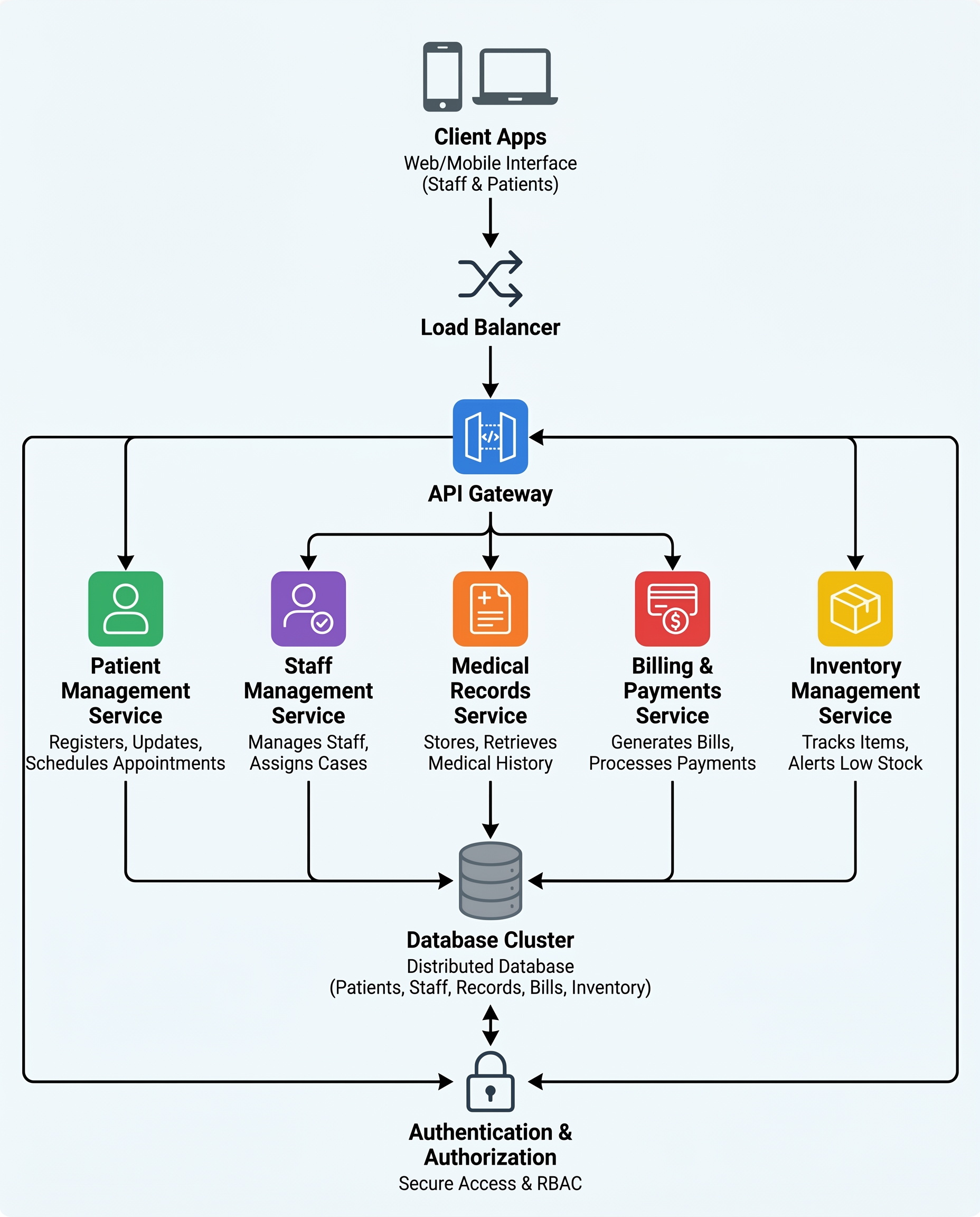
system design diagram — design youtube
Key Topics and Discussions:
1. Video Processing and Handling
Efficient handling of video uploads is critical. Here are some of the main points we covered:
Transcoding:
Every uploaded video needs to be transcoded into multiple resolutions (e.g., 144p, 360p, 720p, 1080p, etc.) to support different user devices, internet speeds, and screen sizes. But how many resolutions should we prepare? The answer depends on platform usage and device distribution metrics.
Device Optimization:
Should video transcoding vary by screen type (e.g., smartphones vs. desktops) or platform (e.g., iOS vs. Android)? It’s essential to decide whether a one-size-fits-all approach or tailored transcoding is more efficient.
Compression and Storage Efficiency:
Modern codecs like H.264 or H.265 (HEVC) can reduce video size significantly while maintaining quality, but they come with higher computational costs during encoding. Balancing quality, size, and processing time is critical.
2. Scalability and Storage
YouTube processes millions of videos per day, which creates massive scalability challenges. Here’s how to think about this:
Database Sharding
Videos and metadata (e.g., titles, descriptions, tags) must be stored across a distributed database. By using techniques like sharding, you can partition the data.
For instance:
- Shard by video ID for uniform distribution.
- Shard by uploader for easier management of user-specific content.
CDN (Content Delivery Network)
CDNs are essential for minimizing latency and ensuring fast video delivery. Popular CDNs like Akamai, Cloudflare, or in-house solutions can store copies of frequently accessed videos closer to users.
- Cost Efficiency: Consider leveraging tiered caching to store high-traffic content in memory (e.g., Redis), while older or less-accessed videos can stay in cold storage.
- Regional Strategies: Should storage and CDNs be optimized differently for each region? For example, videos in North America might need higher bandwidth capacity compared to areas with lower internet penetration.
3. Handling Very Popular Videos and Influencers
What happens when an influencer uploads a video that goes viral? With limited computational resources, it’s crucial to prioritize user experience for both creators and viewers:
Creator Side:
For large influencers or viral videos, prioritize transcoding and delivery. Their content often drives significant traffic, so ensure it’s processed and delivered as quickly as possible.
User Side:
Adjust the user’s experience based on their internet speed:
- For slower connections, deliver lower-resolution versions first to reduce buffering.
- For faster connections, deliver higher-resolution content for an optimal experience.
This dynamic adaptation can be achieved using adaptive bitrate streaming (ABR), which allows the video player to switch between resolutions seamlessly based on real-time bandwidth.
4. Additional Features and Personalization
YouTube isn’t just about storing and streaming videos. It’s also about engagement and user experience. Here’s how we tackled some advanced features:
Highlights Detection:
How can we automatically detect the most “exciting” moments in a video?
- Use data like playback heatmaps (where users frequently pause, replay, or watch repeatedly).
- Combine this with ML models trained on engagement metrics (e.g., likes, comments, shares) to extract the highlights automatically.
Trending and Popular Content:
To surface the most popular videos, analyze metrics such as:
- Total views, shares, and likes within a specific time period.
- Real-time data processing pipelines (e.g., Apache Kafka, Spark) to calculate trends.
Personalized Recommendations:
Use collaborative filtering and content-based algorithms to recommend videos based on a user’s history and preferences. YouTube’s recommendation engine is famously powered by deep learning models that analyze watch history, search queries, and user interactions at scale.
For full answer, visit bugfree.ai https://bugfree.ai/practice/system-design/video-streaming-service/solutions/S5wS9NgVIXW1Dc5Y
About the author
bugfree.ai is an advanced AI-powered platform designed to help software engineers master system design and behavioral interviews. Whether you’re preparing for your first interview or aiming to elevate your skills, bugfree.ai provides a robust toolkit tailored to your needs. Key Features:
150+ system design questions: Master challenges across all difficulty levels and problem types, including 30+ object-oriented design and 20+ machine learning design problems. Targeted practice: Sharpen your skills with focused exercises tailored to real-world interview scenarios. In-depth feedback: Get instant, detailed evaluations to refine your approach and level up your solutions. Expert guidance: Dive deep into walkthroughs of all system design solutions like design Twitter, TinyURL, and task schedulers. Learning materials: Access comprehensive guides, cheat sheets, and tutorials to deepen your understanding of system design concepts, from beginner to advanced. AI-powered mock interview: Practice in a realistic interview setting with AI-driven feedback to identify your strengths and areas for improvement.
bugfree.ai goes beyond traditional interview prep tools by combining a vast question library, detailed feedback, and interactive AI simulations. It’s the perfect platform to build confidence, hone your skills, and stand out in today’s competitive job market. Suitable for:
New graduates looking to crack their first system design interview. Experienced engineers seeking advanced practice and fine-tuning of skills. Career changers transitioning into technical roles with a need for structured learning and preparation.
Comments
Join the discussionNo comments yet. Be the first to comment.