
For system design questions targeting new graduates and junior engineers, this time the topic is object-oriented design: Design a Restaurant System.

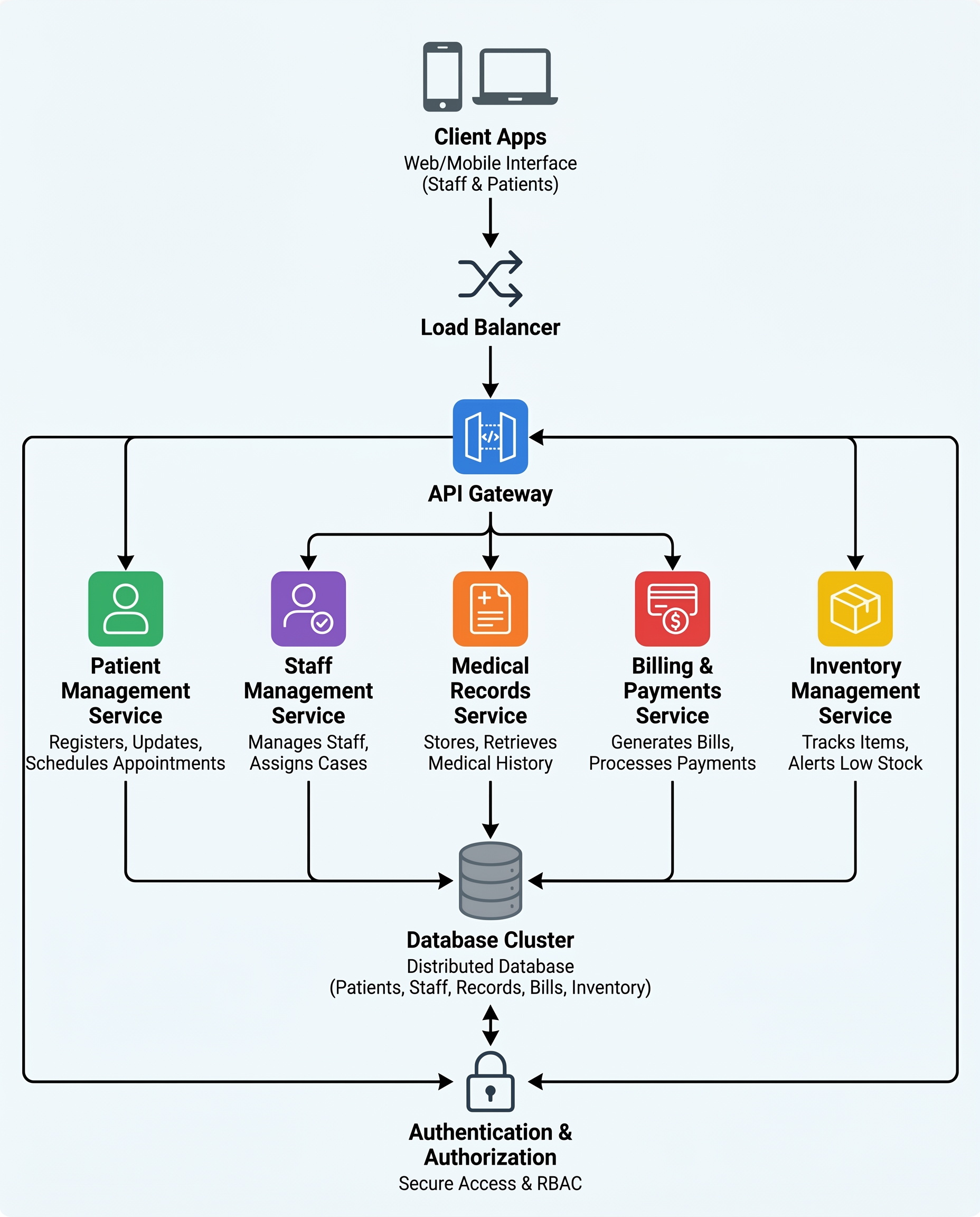
System Design Diagram — Design Restaurant Management System
1. Class Modeling
Core Entities and Relationships
Order Management
Order→ Tracks orders with status updatesOrderItem→ Represents individual items in an orderMenuItem→ Represents a food item available for orderCustomer→ Stores customer informationTable→ Represents restaurant seatingWaiter→ Handles order taking and serviceKitchen→ Processes and prepares orders
2. Inventory Management
InventoryItem→ Represents an inventory itemSupplier→ Provides stock to the restaurantStockTransaction→ Tracks stock changes
3. Reservation System
Reservation→ Stores customer booking detailsTableManager→ Manages table availability
4. Customer Relationship Management (CRM)
LoyaltyProgram→ Tracks customer loyalty pointsFeedback→ Stores customer reviewsMarketingCampaign→ Personalized promotions
Class Diagram
+----------------+ +----------------+
| Order |<>----->| OrderItem |
+----------------+ +----------------+
| id: UUID | | id: UUID |
| status: str | | quantity: int |
| timestamp: dt | | menuItem: FK |
+----------------+ +----------------+
| |
v v
+----------------+ +----------------+
| Customer | | MenuItem |
+----------------+ +----------------+
| id: UUID | | id: UUID |
| name: str | | name: str |
+----------------+ +----------------+
2. Database Design
Database Choice and Justification
- PostgreSQL: Chosen for its ACID compliance, strong consistency, and ability to handle relational data efficiently.
- Redis: Used for caching frequently accessed data like menu items and session information.
- MongoDB: Considered for handling unstructured customer feedback and marketing data.
Schema Design
customers (id, name, contact_info, loyalty_points)menu_items (id, name, price, category, available_stock)orders (id, customer_id, status, timestamp)order_items (id, order_id, menu_item_id, quantity, price)inventory (id, item_name, quantity, supplier_id)reservations (id, customer_id, table_id, reservation_time, status)tables (id, capacity, status)
Indexing and Optimization
- Indexing: Index
customer_idinordersfor faster lookups. - Composite Indexing: Use a composite index on
menu_item_idandorder_idfororder_items. - Caching: Implement Redis for storing frequently accessed queries to reduce database load.
3. Scalability and Optimization
Horizontal Scaling
- Sharding: Distribute orders across multiple database shards to balance load.
- Load Balancers: Implement Nginx or HAProxy for distributing traffic across API servers.
Optimization Strategies
- Asynchronous Processing: Use background workers (e.g., Celery, Kafka) for tasks like order processing.
- Message Queues: Implement RabbitMQ or Kafka to decouple microservices and manage high-throughput order requests.
- Read Replicas: Deploy read replicas for handling read-heavy workloads.
4. Failure Scenarios and Handling
Database Failures
- Replication: Set up primary-replica replication to ensure high availability.
- Automated Failover: Use PostgreSQL failover mechanisms to switch to replicas in case of primary node failure.
- Backups: Schedule periodic full and incremental backups to prevent data loss.
API Downtime
- Circuit Breakers: Implement circuit breakers to prevent cascading failures.
- Retry Mechanisms: Use exponential backoff strategies to retry failed requests without overwhelming the system.
- Graceful Degradation: Implement feature toggles to allow partial functionality when dependencies are down.
Order Processing Failures
- State Persistence: Ensure orders are stored in a persistent queue to allow resumption after a failure.
- Transaction Rollback: Implement rollback strategies in case of failed transactions to maintain data consistency.
- Compensation Mechanisms: Introduce automated compensation actions, such as issuing refunds in case of payment failures.
Full Answer: https://bugfree.ai/practice/object-oriented-design/restaurant-management-system/solutions/bH2Ec4Db57GTMnhy

System Design Solution — Design Restaurant Management System
About the author
bugfree.ai is an advanced AI-powered platform designed to help software engineers master system design and behavioral interviews. Whether you’re preparing for your first interview or aiming to elevate your skills, bugfree.ai provides a robust toolkit tailored to your needs. Key Features:
150+ system design questions: Master challenges across all difficulty levels and problem types, including 30+ object-oriented design and 20+ machine learning design problems. Targeted practice: Sharpen your skills with focused exercises tailored to real-world interview scenarios. In-depth feedback: Get instant, detailed evaluations to refine your approach and level up your solutions. Expert guidance: Dive deep into walkthroughs of all system design solutions like design Twitter, TinyURL, and task schedulers. Learning materials: Access comprehensive guides, cheat sheets, and tutorials to deepen your understanding of system design concepts, from beginner to advanced. AI-powered mock interview: Practice in a realistic interview setting with AI-driven feedback to identify your strengths and areas for improvement.
bugfree.ai goes beyond traditional interview prep tools by combining a vast question library, detailed feedback, and interactive AI simulations. It’s the perfect platform to build confidence, hone your skills, and stand out in today’s competitive job market. Suitable for:
New graduates looking to crack their first system design interview. Experienced engineers seeking advanced practice and fine-tuning of skills. Career changers transitioning into technical roles with a need for structured learning and preparation.
Comments
Join the discussionNo comments yet. Be the first to comment.