High-Score (Bugfree Users) Google SWE Interview: LLD-Heavy Rounds + DSA Patterns to Master
Posted by Bugfree users — a high-score interview experience.
This candidate's Google SWE loop leaned heavily on low-level design (LLD) and strong DSA fundamentals. Below is a concise breakdown of the rounds, the problem types that came up, and practical takeaways to prepare effectively.
Quick summary
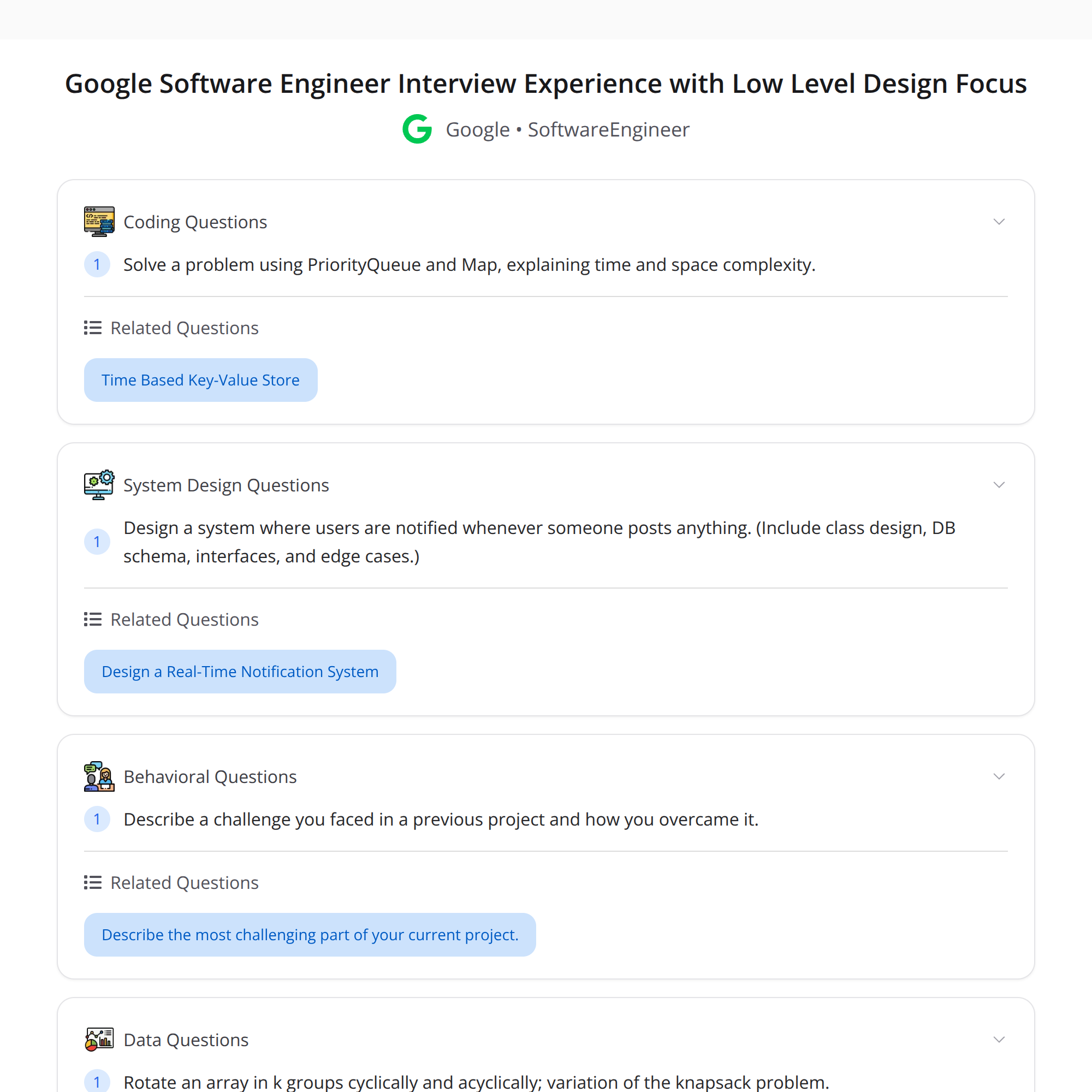
- Phone screen: coding with PriorityQueue + Map; expected clear time/space analysis.
- LLD/System design: design a “notify users when someone posts” system — components, DB schema, interfaces, and edge cases.
- DSA: array rotation in k-groups (cyclic/acyclic), knapsack variations, and implementations optimized for efficiency.
- Behavioral: deep dives into projects, teamwork, setbacks, and what was learned.
Key takeaway: practice explaining tradeoffs as much as writing correct code.
Round-by-round highlights and practical tips
Phone screen — coding (PriorityQueue + Map)
- Problem type: use a heap (PriorityQueue) combined with a Map to track counts/metadata.
- Interview focus: correct algorithm plus explicit time and space complexity analysis.
- Tips:
- Verbally state complexity before and after optimizations.
- Explain why you chose a heap vs balanced BST vs sorted container.
- Handle edge cases (empty input, duplicates, ties) and discuss memory tradeoffs.
LLD / System design — "Notify users when someone posts"
- Scope to clarify first: real-time push vs batched notifications, scale targets (users/posts/sec), mobile/desktop delivery, read/unread semantics.
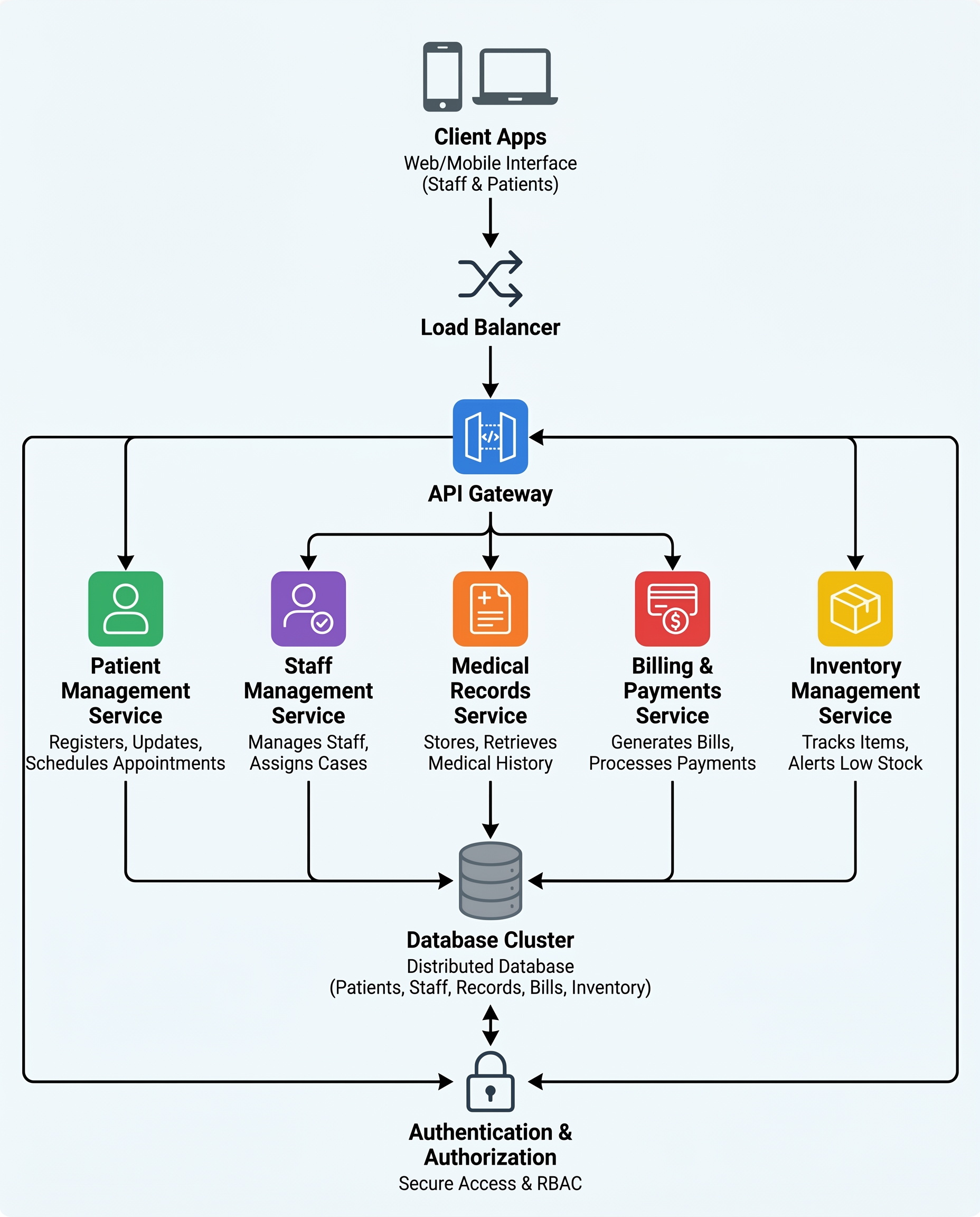
- Core components to propose:
- API Gateway / Auth service
- Post Service (creates content)
- Follow/Friends Service (who should be notified)
- Notification Service (fan-out / aggregation)
- Delivery subsystem (push / email / in-app)
- Monitoring & retries
- DB schema (simplified):
- users(user_id, metadata)
- posts(post_id, user_id, content, created_at)
- followers(user_id, follower_id)
- notifications(notification_id, user_id, post_id, status, created_at)
- Interfaces / endpoints to mention:
- publishPost(userId, postData) -> success/failure
- generateNotifications(postId) -> (fan-out logic)
- getNotifications(userId, limit, cursor)
- markAsRead(notificationId)
- Edge cases and tradeoffs:
- High fan-out (celebrity posts): push vs pull, use fan-out-on-write for low scale or fan-out-on-read + caching for very high scale.
- Duplication and idempotency: ensure idempotent notification generation.
- Consistency: eventual vs strong consistency tradeoffs and acceptable staleness.
- Rate-limiting and backpressure: queueing, throttling, and retry semantics.
- Tips:
- Draw components and data flow clearly.
- Always justify design choices with the expected scale and latency goals.
- Discuss monitoring, failure modes, and mitigation.
DSA rounds — problems & patterns
- Array rotation in k groups (cyclic/acyclic):
- Recognize whether rotation is in-place or allowed to use extra memory.
- Solutions: reversal algorithm, juggling algorithm (gcd-based cycles), or using temporary arrays.
- Discuss time O(n) and space O(1) or O(k) depending on approach.
- Knapsack variations:
- 0/1 knapsack vs unbounded knapsack: clarify constraints, optimize DP to 1D where possible.
- Discuss complexity and memory optimizations, and when to switch to greedy approximations.
- Efficiency-focused implementations:
- Avoid repeated work; use memoization or bottom-up DP.
- Choose data structures that reduce asymptotic costs (heaps for top-k, two pointers for sorted arrays).
Common patterns to master:
- Sliding window, two pointers
- Heaps / PriorityQueue + Map combinations
- Greedy vs DP recognition
- Graph traversals and BFS/DFS patterns
- Union-Find for connectivity
- Sorting & transform-before-solve
Behavioral
- Expect deep dives into major projects: your role, metrics you moved, tradeoffs, and concrete learnings.
- Prepare STAR stories for teamwork, conflict, failure, and impact.
- Be ready to explain why design/code choices were made and what you'd do differently with more time.
Concrete study checklist
- Practice LLD: build small designs (notification systems, feed generation, chat) and sketch APIs + schema.
- Master the DSA patterns listed above on platforms like LeetCode and practice explaining solutions out loud.
- Mock interviews: focus on explaining tradeoffs, complexity, and failure modes.
- Prepare behavioral stories with measurable outcomes.
Suggested resources:
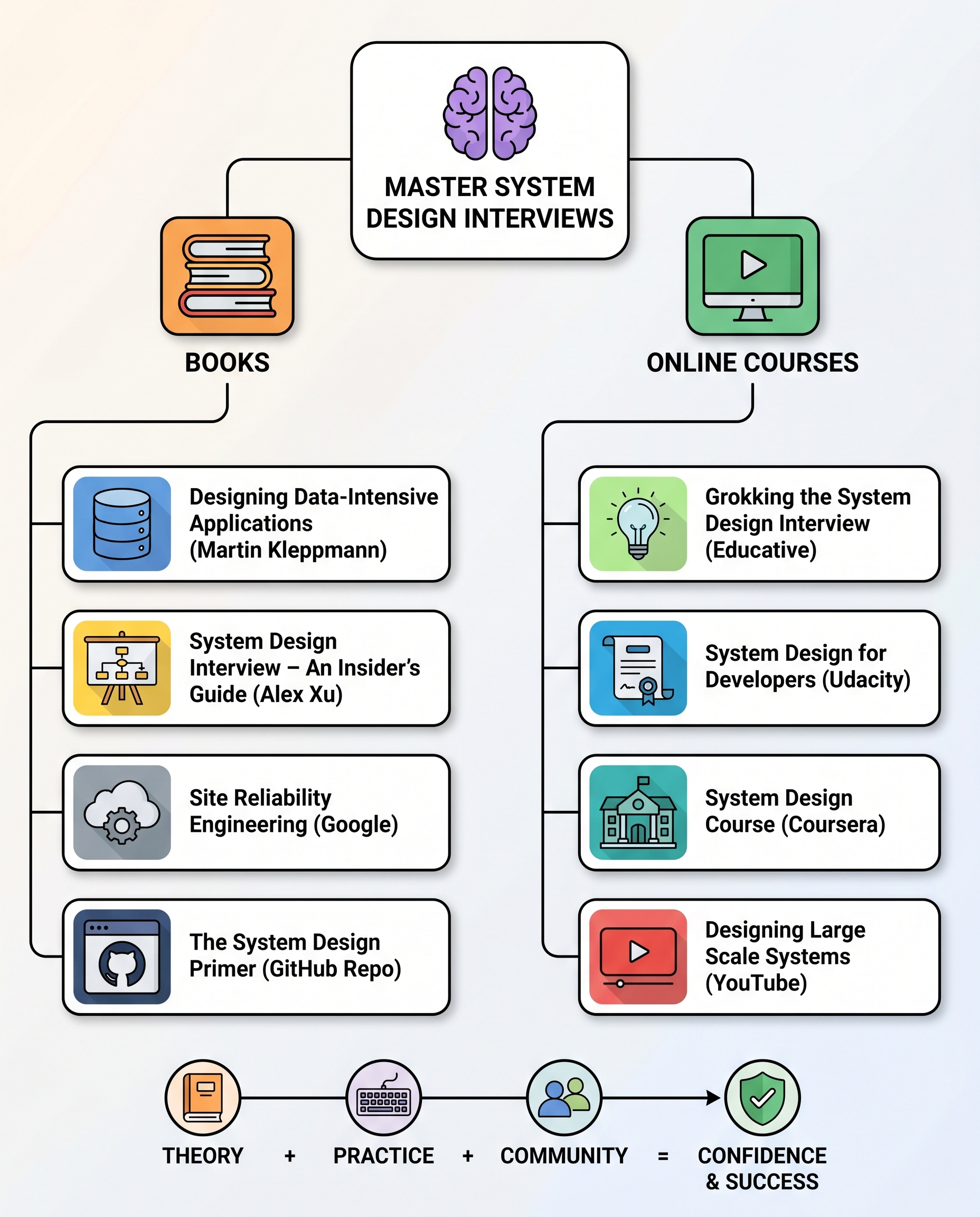
- Grokking the System Design Interview (patterns for common problems)
- Designing Data-Intensive Applications (for durability, consistency, and scaling concepts)
- LeetCode: top-interview-questions and pattern practice sets
Final takeaway
This loop rewarded candidates who balanced clear, efficient code with thoughtful low-level design and the ability to explain tradeoffs. Practice building both small, correct algorithms and simple, scalable systems — and rehearse articulating the why behind your decisions.
#SoftwareEngineering #SystemDesign #InterviewPrep
About the author
bugfree.ai is an advanced AI-powered platform designed to help software engineers master system design and behavioral interviews. Whether you’re preparing for your first interview or aiming to elevate your skills, bugfree.ai provides a robust toolkit tailored to your needs. Key Features:
150+ system design questions: Master challenges across all difficulty levels and problem types, including 30+ object-oriented design and 20+ machine learning design problems. Targeted practice: Sharpen your skills with focused exercises tailored to real-world interview scenarios. In-depth feedback: Get instant, detailed evaluations to refine your approach and level up your solutions. Expert guidance: Dive deep into walkthroughs of all system design solutions like design Twitter, TinyURL, and task schedulers. Learning materials: Access comprehensive guides, cheat sheets, and tutorials to deepen your understanding of system design concepts, from beginner to advanced. AI-powered mock interview: Practice in a realistic interview setting with AI-driven feedback to identify your strengths and areas for improvement.
bugfree.ai goes beyond traditional interview prep tools by combining a vast question library, detailed feedback, and interactive AI simulations. It’s the perfect platform to build confidence, hone your skills, and stand out in today’s competitive job market. Suitable for:
New graduates looking to crack their first system design interview. Experienced engineers seeking advanced practice and fine-tuning of skills. Career changers transitioning into technical roles with a need for structured learning and preparation.
Comments
Join the discussionNo comments yet. Be the first to comment.